

Rondavel and African House Designs in Kenya: Round Houses, Thatched Cottages, Bandas and Modern Afrocentric Homes
By the HousePlans Kenya design team · 4 October 2026 · 11 min read
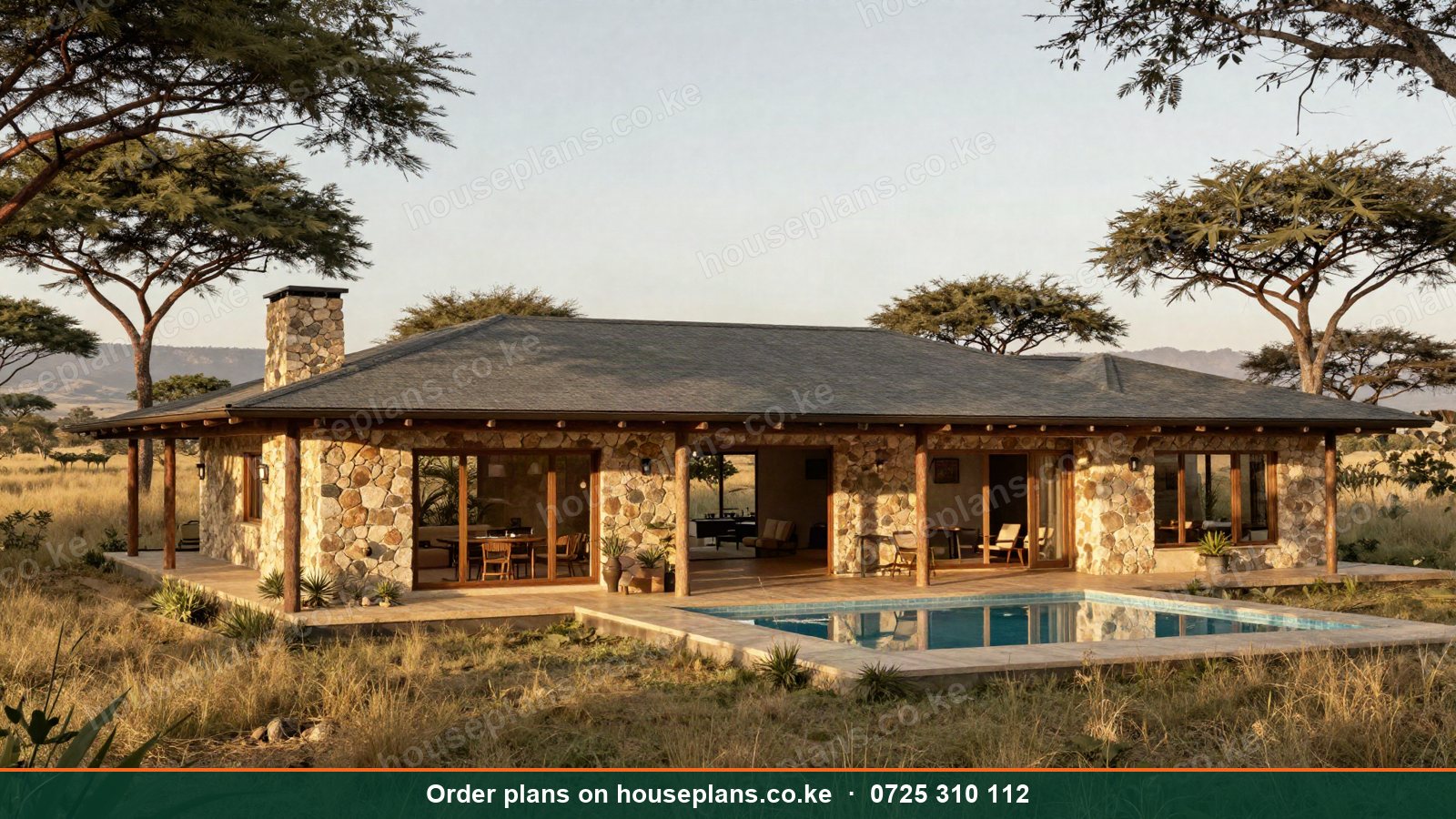
Rondavel house designs in Kenya connect modern homes with a long African tradition. Round houses with conical thatched roofs have sheltered families across Kenya for generations, from Luo and Luhya homesteads in the west to pastoral communities in the Rift Valley. Today, architects reinterpret these forms in eco-lodges, safari camps, Airbnbs, guest cottages and family homes. Consequently, rondavels and African-inspired designs offer beauty, comfort and a strong sense of place.
This guide explores rondavels and African-inspired house designs in Kenya. We cover traditional round houses, modern rondavels, thatched and makuti cottages, bandas, safari-style homes and Afrocentric contemporary architecture. Additionally, we explain materials, climate benefits, layouts, costs, approvals and where these designs work best.
Talk to an architect today
Call 0725 310 112 or chat with us on WhatsApp. Send your plot size, county and the number of bedrooms, and we will reply with a quote the same day.
What Is a Rondavel?
A rondavel is a round building, usually with a conical roof. Traditionally, walls were made of mud, wattle or stone, and roofs of grass thatch. The round shape is strong, efficient and simple to build. Moreover, it encloses the most space with the least wall. Consequently, rondavels have been used across Eastern and Southern Africa for centuries.
Why Rondavels and African Designs Remain Popular
Cultural Identity
Many Kenyans want homes that reflect African heritage. Therefore, round forms, thatch, earth tones and natural materials feel meaningful.
Climate Comfort
Thick earth or stone walls and thatched roofs keep interiors cool by day and warm at night. As a result, rondavels are comfortable without air conditioning.
Tourism Appeal
Visitors love authentic African architecture. Consequently, rondavels, bandas and thatched cottages are favourites at lodges, camps and Airbnbs.
Natural Beauty
Round forms, thatch and stone blend beautifully with savanna, forest and coast.
Types of African-Inspired Designs
Modern Rondavels
Modern rondavels keep the round form but add concrete foundations, stone or block walls, large windows, ensuite bathrooms and modern kitchens. Therefore, they suit guest cottages, studios and small homes.
Rondavel Clusters
Several rondavels connected by covered walkways or a central living pavilion create a family home. For example, bedrooms sit in separate rondavels around a shared lounge. Consequently, the home feels like a traditional homestead.
Thatched and Makuti Cottages
Makuti, made from palm fronds, is common on the coast, while grass thatch is used inland. Thatched cottages suit beach plots in Diani, Watamu and Lamu and lodges in the Mara, Laikipia and Naivasha.
Bandas
Bandas are simple thatched shelters or cottages, often used for guest accommodation, dining areas or gazebos. Read about outdoor living designs in Kenya.
Safari-Style Homes
Safari-style homes combine stone, timber, thatch and canvas with wide verandas and views. Our Tsavo safari villa is inspired by this style. Read about hotel, lodge and resort designs.
Afrocentric Contemporary Homes
Contemporary African architecture uses modern forms with local materials, patterns, courtyards and earthy colours. Consequently, it creates distinctive, climate-responsive homes. Read about house design styles in Kenya.
Materials for Rondavels and African Homes
Walls
Modern rondavels use stone, burnt brick, concrete blocks, interlocking soil blocks or rammed earth. Moreover, earth-based walls offer excellent thermal mass and a natural look. Read about alternative building technologies in Kenya and stone and brick house designs.
Roofs
Roofs may be grass thatch, makuti, timber shingles, clay tiles or iron sheets. Thatch keeps interiors cool and looks authentic. However, it needs fire treatment, regular maintenance and replacement every several years. Meanwhile, iron sheets or tiles over a conical timber frame offer durability with a similar silhouette.
Timber
Treated timber poles, rafters and ceilings create the conical roof structure. Consequently, timber must be protected from termites and moisture. Read about timber and wooden house designs.
Finishes
Earth-toned plasters, polished concrete floors, local stone, woven mats, carved wood and beadwork add African character inside.
Designing a Modern Rondavel
Size
A single rondavel of 5 m to 7 m diameter creates about 20 to 38 m² of floor area. Therefore, it suits a bedroom with an ensuite or a studio.
Layout
Curved walls challenge furniture placement. However, built-in curved furniture, a central bed and partitions for bathrooms make the space work beautifully.
Windows and Doors
Large windows and doors connect rondavels to views and verandas. Moreover, high-level vents release hot air from the roof apex.
Verandas
A wrap-around veranda shades the walls and creates outdoor living space.
Bathrooms
Ensuite bathrooms can sit inside the rondavel or in an attached annex. Similarly, outdoor showers suit coastal and safari settings.
Sample Rondavel Layouts
The Single Rondavel Cottage
A single rondavel of about 6 m diameter holds a bedroom, a small seating area and an ensuite shower room behind a curved partition. Moreover, a veranda wraps around the front. Consequently, it suits a guest suite, an Airbnb unit or a studio.
The Twin Rondavel Home
Two rondavels linked by a rectangular living room create a small family home. For example, one rondavel holds the master bedroom, while the other holds a second bedroom or a kitchen. Therefore, the home combines traditional forms with practical modern space.
The Rondavel Homestead
Several rondavels arranged around a courtyard, with a central lounge and dining pavilion, echo traditional homesteads. Consequently, the layout suits extended families, retreats and lodges. Read about L-shaped and U-shaped house plans for courtyard ideas.
Hybrid Designs
Many clients combine a conventional rectangular house with rondavel features. For instance, a bungalow might have a round lounge with a conical roof as its centrepiece, or a round entrance tower. Similarly, a modern home might add a rondavel guest cottage in the garden. As a result, the design gains character without the full challenges of curved construction. Read about bungalow house plans in Kenya.
Building Round Walls
Round walls need careful setting out. Therefore, builders use a central peg and a measured line to mark the circle. Moreover, blocks or stones must be laid with tight curves, and ring beams follow the curve. Consequently, skilled masons and clear drawings matter. Additionally, curved doors and windows are expensive, so straight openings set into the curve are usually used. Read about foundation designs in Kenya.
Conical Roof Structures
Conical roofs use rafters radiating from a central ring or post. Therefore, the timber or steel frame must be engineered to carry thatch, tiles or sheets, and to resist wind. Moreover, the apex needs a cap to keep rain out. Similarly, ventilation at the top lets hot air escape. Consequently, a well-built conical roof lasts for decades.
Cultural and Community Buildings
African-inspired forms also suit community buildings. For example, round meeting halls, chapels, libraries and children's centres feel welcoming and inclusive. Moreover, they create gathering spaces where everyone faces the centre. Read about school and college building plans and church and mosque building plans.
Climate Benefits
Rondavels perform well in Kenya's climates. For instance, thick walls absorb daytime heat and release it at night, which suits the highlands and semi-arid areas. Meanwhile, tall conical roofs let hot air rise away from occupants, keeping rooms cool. Moreover, thatch insulates far better than bare iron sheets. Consequently, rondavels stay comfortable from the coast to Laikipia. Read about eco-friendly house plans in Kenya.
Fire Safety With Thatch
Thatch burns easily. Therefore, use fire-retardant treatments, keep fireplaces and barbecues well away, install lightning protection in high-risk areas and provide fire extinguishers. Moreover, spacing between thatched buildings limits fire spread. Consequently, thatched buildings can be safe with proper design. Read about MEP drawings in Kenya.
African Design Traditions in Kenya
Kenya's communities have rich building traditions. For example, many western Kenyan homesteads were traditionally arranged as round houses within a fenced compound, with the position of each house reflecting family roles. Similarly, pastoral communities built low, dome-shaped houses from timber frames, mud and dung, suited to mobile lives and dry climates. Meanwhile, the coast developed Swahili stone towns with courtyards, carved doors and flat roofs. Consequently, modern designers have a deep well of ideas to draw from. Respecting these traditions, rather than copying them superficially, creates authentic architecture. Read about house plans in Mombasa and the coast.
Bringing African Character to Modern Homes
You do not need a round house to celebrate African design. For instance, a contemporary bungalow can include a courtyard for gatherings, a thatched gazebo, earth-toned walls, local stone, carved doors, woven ceiling panels and art from Kenyan artisans. Moreover, verandas and outdoor kitchens reflect a culture of living outdoors. As a result, the home feels rooted in place. Read about exterior house design in Kenya and interior finishes and joinery drawings.
Eco-Lodge Rondavels
Eco-lodges use rondavels because they suit low-impact construction. For example, local stone, earth blocks, thatch and solar power reduce environmental impact. Moreover, raised timber platforms protect fragile ground. Consequently, guests experience nature closely while the land stays healthy. Read about eco-friendly house plans in Kenya.
Rondavel Airbnbs
Rondavel Airbnbs stand out in listings. Therefore, hosts in Naivasha, Nanyuki and the coast find them easier to market. Moreover, outdoor showers, fire pits, hammocks and views complete the experience. However, guests expect modern comforts: good beds, hot showers, Wi-Fi and secure doors. Consequently, design must blend authenticity with convenience.
Maintaining Thatched Roofs
Thatch needs regular care. For example, inspect it annually, remove debris, repair worn areas and re-treat with fire retardant. Moreover, good roof pitch helps rain run off quickly. Typically, grass thatch lasts many years with care, while makuti needs replacing more often on the coast. Therefore, budget for maintenance from the start.
Common Mistakes
Thatch Too Close to Fires
Barbecues and fireplaces near thatch cause disasters. Keep safe distances.
Shallow Roof Pitch
Thatch needs steep pitches to shed rain. Design correctly.
Untreated Timber
Termites attack untreated poles. Treat all timber.
Ignoring Approvals
Even traditional-style buildings need approval. Get it before building.
Where Rondavels and African Designs Work Best
Safari and Conservancy Areas
Lodges and camps in Narok, Talek, Laikipia and near Amboseli use rondavels, bandas and tented structures. Read about hotel, lodge and resort designs.
Holiday and Airbnb Locations
Naivasha, Nanyuki, Diani and Watamu suit thatched cottages and rondavel Airbnbs. Read about Airbnb and holiday home plans.
Upcountry Homesteads
Family homesteads in Kisumu, Siaya, Kakamega and Machakos can include modern rondavels as guest houses or for elders. Read about simple house designs in rural Kenya.
Suburban Gardens
A rondavel guest cottage or garden studio adds charm to suburban plots in Karen, Ngong and Kiambu. Read about granny flat and guest cottage plans.
Costs of Rondavels and African-Inspired Homes
Typical 2026 guide costs are:
| Design | Approximate cost |
|---|---|
| Single modern rondavel with ensuite, 30 m² | KSh 1.2M – 2.2M |
| Rondavel cluster home, 120 m² | KSh 5M – 8M |
| Makuti banda or gazebo, 16 m² | KSh 150,000 – 350,000 |
| Safari-style villa | KSh 45,000 – 75,000 per m² |
Thatch, curved walls and custom joinery affect costs. A BQ gives exact figures. Use our building cost calculator.
Approvals
Permanent rondavels and thatched buildings need county approval like any building. Moreover, lodges in conservancies need NEMA and conservancy approvals. Additionally, fire safety must be demonstrated for thatched roofs. Read about building plan approval costs by county.
Planning a Rondavel Project Step by Step
First, decide how the rondavel will be used, whether as a guest cottage, Airbnb, studio, family home or lodge unit. Next, choose the site carefully for views, breezes, privacy and safe distances from fires and other buildings. Then select materials for walls and roofs, balancing authenticity, durability and budget. After that, design the layout, bathrooms, verandas and services. Subsequently, engineer the conical roof and foundations, and detail fire safety for thatch. Finally, prepare drawings, a BQ and approvals before building with experienced craftsmen. Consequently, the finished rondavel is beautiful, comfortable and safe.
Craftsmanship matters greatly. For instance, skilled thatchers, stonemasons and carpenters make the difference between an authentic rondavel and a poor imitation. Therefore, check their previous work. Moreover, local craftsmen often bring traditional knowledge that improves the design.
Key Takeaways
Rondavels and African-inspired designs celebrate heritage, stay comfortable in Kenya's climates and delight guests. However, curved walls, conical roofs and thatch need skilled design, fire safety and maintenance. Therefore, combine tradition with modern engineering and comfort. As a result, your home or lodge feels authentically Kenyan and lasts for generations.
Common Mistakes to Avoid
Rondavel builders sometimes make costly mistakes. For example, thatch placed too close to cooking fires or braais creates a serious fire risk. Similarly, shallow roof pitches let rain soak into thatch and rot it. Moreover, square furniture wastes space in round rooms. Additionally, weak ring beams allow conical roofs to spread and crack walls. Therefore, follow fire distances, use steep pitches, plan built-in curved furniture and engineer the roof properly. As a result, the rondavel stays safe and beautiful.
A Note on Maintenance
Thatch needs regular care. For example, inspect it yearly, treat it against insects and fire, and re-comb or re-thatch every few years. Similarly, reseal earth walls and clean gutters. Consequently, the rondavel keeps its beauty for decades.
Our Services for Rondavel and African House Designs in Kenya
Rondavel Design
We design modern rondavels, rondavel clusters and round guest cottages. Consequently, tradition meets modern comfort.
Our architect visits the site and positions each rondavel for views, breezes and privacy.
Thatched and Makuti Buildings
We design thatched cottages, bandas and gazebos with fire-safety detailing.
Consequently, they are beautiful and safe.
Safari-Style and Lodge Design
We design safari homes, lodges and eco-camps.
Each design sits lightly on the land and frames the view.
Afrocentric Contemporary Design
We design modern homes inspired by African forms, materials and patterns.
As a result, your home feels rooted in place.
Structural Engineering
We design conical roofs, curved walls and foundations.
Therefore, unusual forms stand strong for decades.
Interior Design
We design interiors with local materials and crafts in 3D.
You see the finished spaces before building.
County and NEMA Approvals
We submit plans and coordinate approvals in all 47 counties.
Talk to an architect today
Call 0725 310 112 or chat with us on WhatsApp. Send your plot size, county and the number of bedrooms, and we will reply with a quote the same day.
Build Your African-Inspired Home
Call or WhatsApp 0725 310 112, or email info@houseplans.co.ke. Our office is in Nairobi, and we serve every county.
Read about luxury house plans in Kenya, browse our hotel designs, or order your plan.
Frequently asked questions
What is a rondavel?+
A round building with a conical roof, traditionally built with earth or stone walls and a thatched roof.
Are rondavels comfortable to live in?+
Yes. Thick walls and tall roofs keep them cool by day and warm at night.
How much does a rondavel cost in Kenya?+
A modern 30 m² rondavel with an ensuite costs roughly KSh 1.2M to 2.2M in 2026.
Is thatch safe for roofs?+
With fire-retardant treatment, safe distances from fires, lightning protection and extinguishers, thatch can be used safely.
Do rondavels need county approval?+
Yes. Permanent rondavels need approved architectural and structural drawings.
Related searches
- Rondavel house designs in Kenya
- Rondavel house plans Kenya
- African design
- Cottage house plans Kenya
- Eco house plans Kenya
- Airbnb house plans Kenya
- Rural house plans Kenya
- 3 bedroom house plans in Kenya
- 3 bedroom house design in Kenya
- Low cost simple 3 bedroom house plans in Kenya
- House design Kenya
- House plans Kenya
- Best house designs in Kenya
- Cheap house designs in Kenya
- 2 bedroom house design in Kenya
- 2 bedroom house designs Kenya
- 2 bedroom house plan in Kenya