

Building Plan Approval Cost by County in Kenya: Nairobi, Kiambu, Machakos, Kajiado, Mombasa and Nakuru
By the HousePlans Kenya design team · 4 October 2026 · 11 min read
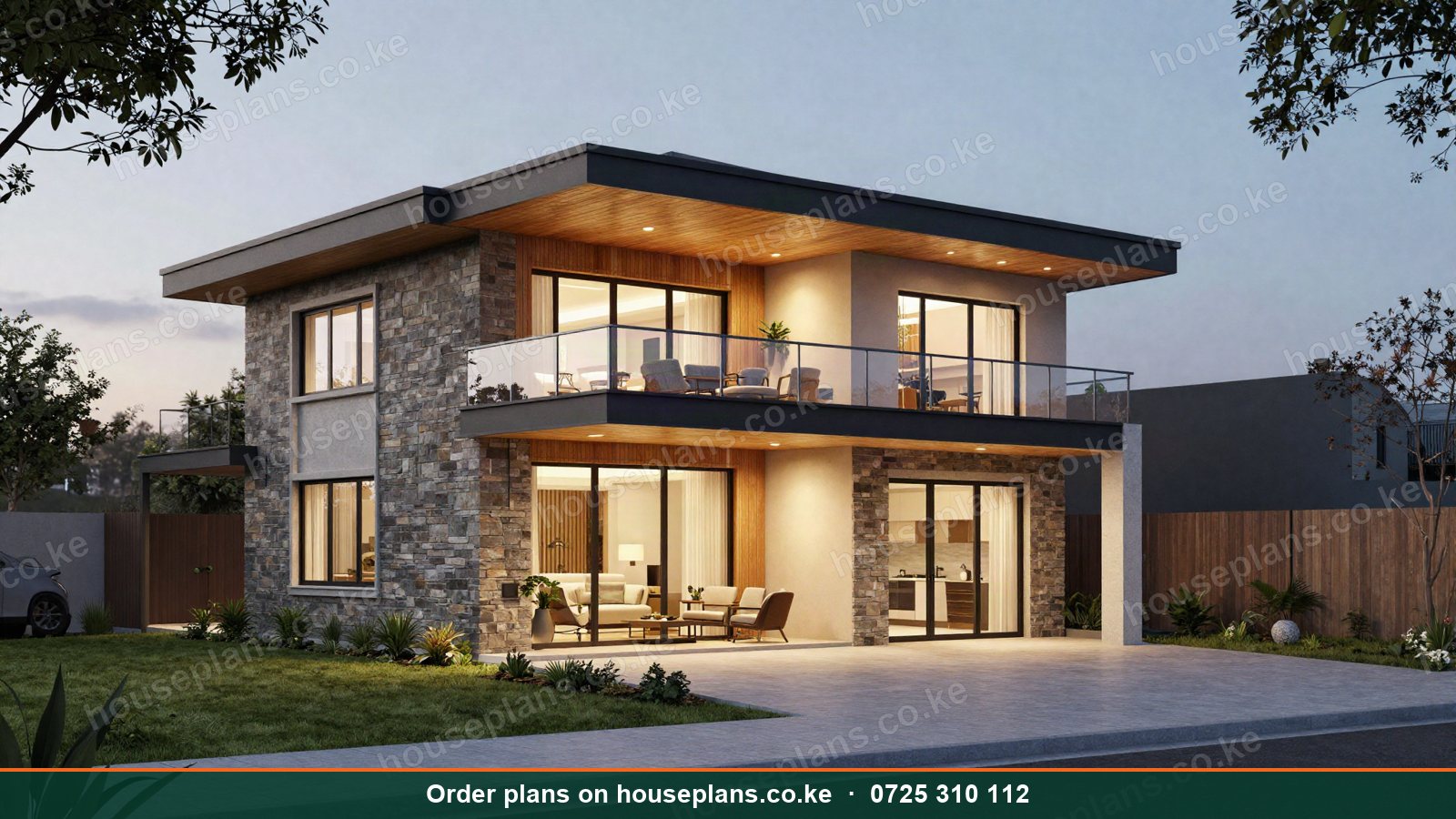
Building plan approval cost in Kenya varies from county to county, and many builders are surprised by the process. Every permanent building needs approval from the county government before construction starts. However, each county runs its own system, sets its own fees and has its own timelines. Consequently, a maisonette approved quickly in one county may take longer next door.
This guide explains building plan approval across Kenya, with a closer look at Nairobi, Kiambu, Machakos, Kajiado, Mombasa and Nakuru. We cover the documents you need, how statutory fees are calculated, typical timelines, NCA and NEMA requirements, and practical ways to avoid delays. Additionally, we explain what happens if you build without approval.
Talk to an architect today
Call 0725 310 112 or chat with us on WhatsApp. Send your plot size, county and the number of bedrooms, and we will reply with a quote the same day.
Why Building Approval Matters
Legal Requirement
The Physical and Land Use Planning Act and county laws require approval for new buildings, extensions and many alterations. Therefore, building without approval is illegal.
Safety
Approval ensures that drawings by registered professionals meet building codes, fire safety rules and structural standards. Consequently, approved buildings are safer.
Financing and Resale
Banks and SACCOs require approved plans for construction loans and mortgages. Similarly, buyers and valuers check approvals. Read about mortgage and SACCO loan house plans.
Avoiding Demolition
Counties can issue stop orders, fines and even demolition notices for unapproved buildings. As a result, approval protects your investment.
Documents Usually Required
Requirements differ slightly by county. However, most counties ask for:
| Document | Notes |
|---|---|
| Architectural drawings | Signed by a registered architect |
| Structural drawings and calculations | Signed by a registered engineer |
| Ownership documents | Title deed, lease or allotment, plus a search |
| Land rates clearance | Proof rates are paid up to date |
| Site location plan | Showing the plot and access |
| Owner's identification | ID and KRA PIN |
| Application forms and fees | Submitted online or at the planning office |
Larger projects may also need a NEMA licence, NCA registration, fire approval, traffic assessment and public health approval.
How Statutory Approval Fees Are Calculated
Counties usually calculate building approval fees based on the building's floor area, its use and sometimes its estimated cost. For example, residential buildings, commercial buildings and institutional buildings may have different rates. Additionally, there may be separate charges for structural approval, occupancy certificates, hoarding, signage and inspection.
Fees change with each county's finance act. Therefore, always confirm current rates with the county before budgeting. Meanwhile, our professional fee for preparing and submitting your application starts from KSh 10,000, depending on scope and location. See our pricing page.
Zoning Basics Explained
Zoning can sound complicated. However, it usually comes down to four questions. First, what use is allowed: single homes, multi-dwellings, commercial or mixed use? Second, how much of the plot may the building cover? Third, how much total floor area is allowed relative to plot size, known as the plot ratio? Fourth, how many floors are permitted? Consequently, knowing these four numbers lets you design with confidence.
For example, a low-density zone in Karen may allow only a single family home covering a modest share of the plot. In contrast, a high-density zone in Kilimani may allow a multi-storey apartment block. Similarly, Kiambu Road, Ruaka and Thika Road corridors have their own zoning patterns. Therefore, we confirm your zone before design starts.
Change of User and Special Approvals
Sometimes a project needs a change of user, for example from residential to commercial, or from agricultural to residential. This is a separate planning process that may involve public notices and longer timelines. Similarly, subdivision and amalgamation need survey and planning approvals. Read about land and planning documentation in Kenya.
Approvals for Commercial and Institutional Buildings
Schools, churches, hotels, hospitals and offices face more checks. For instance, fire safety, accessibility for persons with disabilities, parking, traffic and environmental impact all come into play. Moreover, schools and hospitals may need approvals from their sector regulators. Consequently, these projects need experienced professionals and more time. Read about commercial building plans in Kenya.
Nairobi City County
Nairobi reviews plans through its online e-development permit system. Architects and engineers upload drawings, and the county reviews them in stages, including planning, structural, public health and fire. Moreover, Nairobi enforces zoning closely, including plot coverage, plot ratio, height and use.
Consequently, designs must match the zone. For example, Karen and Runda are low density, while Kilimani and Kileleshwa allow apartments. Read about house plans in Nairobi and see house plans in Nairobi County.
Kiambu County
Kiambu also uses an online development application system. Its fast-growing towns, including Ruiru, Juja, Thika, Ruaka and Kikuyu, see heavy demand. Therefore, complete, accurate submissions move fastest. Moreover, some areas of Kiambu have specific zoning plans, especially along major roads. See house plans in Kiambu.
Machakos County
Machakos County covers Syokimau, Athi River, Mlolongo, Machakos Town, Kangundo and Matuu. Areas near Nairobi, such as Syokimau and Mlolongo, have intense development and flight path considerations near JKIA. Additionally, black cotton soil is common, so structural drawings must address foundations. See house plans in Machakos and Syokimau.
Kajiado County
Kajiado covers Kitengela, Ongata Rongai, Ngong, Kiserian, Isinya and Kajiado Town. Rapid growth in Kitengela and Rongai means busy planning offices. Moreover, some areas are near wildlife corridors and Nairobi National Park, which may bring environmental considerations. See house plans in Kajiado and Kitengela.
Mombasa County
Mombasa has strict rules for beachfront, Old Town and high-density areas. For instance, buildings near the shoreline must respect setbacks from the high-water mark. Meanwhile, Mombasa Old Town has conservation rules. Consequently, coastal projects often need extra approvals. See house plans in Mombasa and read about house plans in Mombasa and the coast.
Nakuru County
Nakuru's city status has brought more structured planning. Areas such as Milimani, Section 58, Lanet and the Naivasha lakeside see strong demand. Additionally, parts of the Rift Valley have seismic and soil considerations, which structural drawings must address. See house plans in Nakuru and read about house plans in Nakuru, Eldoret and the Rift Valley.
Other Counties
Every other county, from Uasin Gishu and Kisumu to Nyeri, Meru, Kakamega and Kilifi, has its own planning department. Many have moved to online systems, while others still accept physical submissions. Therefore, we confirm the process for your county before submitting. Browse house plans by county.
Approvals in Other Major Counties
Uasin Gishu (Eldoret)
Eldoret is one of Kenya's fastest-growing cities. Consequently, the county sees many applications for maisonettes, student hostels and rental apartments. Areas such as Elgon View, Kapsoya and the routes towards Moi University are especially busy. See house plans in Eldoret.
Kisumu
Kisumu's lakeside location brings riparian and flood considerations near the lake and rivers. Moreover, the city's growth has increased demand for apartments and hotels. Therefore, check setbacks from water bodies early. See house plans in Kisumu.
Kilifi and Kwale
Coastal counties such as Kilifi and Kwale handle many holiday homes, villas and hotels in Malindi, Watamu, Vipingo and Diani. Beach setbacks, conservation areas and tourism licensing all matter. See house plans in Diani and Malindi.
Nyeri, Meru and Central Kenya
Central Kenya counties see steady demand for family homes, retirement homes and commercial buildings in towns such as Nyeri, Karatina, Meru and Embu. Slopes and riparian land along rivers need attention. Read about house plans in Nyeri, Meru and Central Kenya.
What Planners Check
County planners review several aspects of every application. First, they check land use: is the proposed building allowed in this zone? Next, they check density: plot coverage, plot ratio and number of floors. Then they check setbacks from roads and boundaries, parking provision and access. After that, they check public health aspects such as ventilation, sanitation and drainage. Finally, structural engineers review the structural design, and fire officers review means of escape for larger buildings. Consequently, good drawings address all of these clearly.
Approvals for Extensions, Walls and Alterations
Approval is not only for new houses. For example, adding a floor, extending a house, converting a garage, building a perimeter wall or changing a building's use often needs approval too. Moreover, structural changes to existing buildings need an engineer's assessment. Read about renovation and extension plans in Kenya.
Inspections During Construction
Some counties inspect construction at key stages, such as foundations, structure and completion. Therefore, keep approved drawings on site, and build exactly what was approved. If changes are needed, apply for amendments before building them. As a result, the final inspection and occupation certificate go smoothly.
Estate and Gated Community Rules
In gated estates, approval may involve two steps. First, the estate's management or design committee checks the plans against estate guidelines, such as roof types, colours, heights and boundary walls. Then the county reviews them as normal. Consequently, estate approval should come first. Read about townhouse and semi-detached house plans.
How Long Does Approval Take?
Timelines vary widely. A complete residential application might be approved within a few weeks in an efficient county. However, incomplete applications, zoning conflicts, missing ownership documents or high workloads can stretch this to months. Large commercial projects take longer, especially with NEMA and traffic reviews.
| Project type | Typical timeline (complete applications) |
|---|---|
| Simple bungalow | A few weeks |
| Maisonette or townhouse | A few weeks to two months |
| Apartment block | One to three months or more |
| Commercial or institutional | Two months or more, plus NEMA |
These are guides only. County workloads and requirements change.
NCA Registration
The National Construction Authority (NCA) regulates contractors and construction projects. Contractors must be NCA-registered. Additionally, projects above certain values must be registered with NCA, and a levy may apply. Therefore, check whether your project needs registration before construction starts.
NEMA Approval
The National Environment Management Authority (NEMA) requires environmental assessments for many larger projects, such as apartments, hotels, commercial developments and estates. Depending on the project, this may be a project report or a full environmental impact assessment. Consequently, budget time and fees for NEMA where needed. Read about land and planning documentation in Kenya.
Approval Tips for Diaspora and Busy Clients
Many clients cannot visit county offices. Fortunately, most of the approval work is done by professionals. For example, we prepare drawings, collect your documents by email, upload or submit the application and handle comments. Meanwhile, you only need to sign forms and pay statutory fees, often online. Consequently, approval is possible even if you live abroad or work long hours. Read about building in Kenya from the diaspora.
Keep digital copies of your title, search, ID, KRA PIN and rates clearance ready. Additionally, respond quickly when we request a document or signature. As a result, your application moves without avoidable delays.
How to Avoid Approval Delays
Use Registered Professionals
Drawings must be prepared and signed by registered architects and engineers. Otherwise, counties reject them.
Confirm Zoning First
Designs that breach plot coverage, height or use rules are rejected. Therefore, check zoning before design.
Clear Land Rates
Unpaid rates often block approvals. Consequently, clear them early.
Submit Complete Documents
Missing documents cause the most delays. Therefore, prepare everything before submitting.
Respond Quickly to Comments
Counties often return applications with comments. Responding promptly keeps the process moving.
Avoid Changes After Submission
Major design changes restart the review. As a result, finalise the design first.
Can Approval Be Fast-Tracked?
There is no legitimate shortcut around the review process. However, complete, compliant applications move fastest. Moreover, professionals familiar with the county's system avoid common mistakes. Therefore, the best "fast track" is getting everything right the first time. Be wary of anyone offering approvals for unofficial payments, because this is illegal and risky.
Building Without Approval and Regularisation
Some owners build first and seek approval later. However, this is risky. Counties may issue stop orders, fines or demolition notices. Additionally, unapproved buildings struggle to get loans, insurance and buyers. Some counties offer regularisation processes for existing unapproved buildings, which require as-built drawings and structural assessments. Read about land and planning documentation.
Occupation Certificates
After construction, many counties issue an occupation or completion certificate confirming the building matches the approved plans. Banks and buyers may ask for it. Therefore, keep inspections and records throughout construction.
Total Approval Budget
When budgeting, include professional fees for drawings, our submission service, county statutory fees, NCA registration where needed, NEMA fees where needed, and printing. Overall, professional fees, approvals and BQs typically total about 5% to 10% of construction cost. Read about the cost of house plans in Kenya and the cost of building a house in Kenya.
Our Services for Building Plan Approvals in Kenya
Approval-Ready Drawings
We prepare architectural and structural drawings that meet county requirements. Consequently, your application starts on the right foot.
Our architect checks zoning, setbacks and coverage before design.
Online and Physical Submissions
We submit through county online systems or in person, depending on the county.
Consequently, you avoid trips to county offices and long queues.
Follow-Up Until Approval
We track your application and respond to county comments. Therefore, you never queue at the planning office.
NCA and NEMA Coordination
We coordinate NCA registration and NEMA reports for larger projects.
As a result, every approval runs in parallel rather than one after another.
Regularisation Drawings
We prepare as-built drawings and structural assessments for existing buildings.
Consequently, older or unapproved buildings can be brought into compliance where counties allow.
Bills of Quantities
We provide BQs that support approvals, loans and budgeting. Consequently, your project is ready for financing as soon as it is approved.
Statewide Coverage
We handle approvals in all 47 counties, from Nairobi and Kiambu to Mombasa, Nakuru and Kisumu.
Talk to an architect today
Call 0725 310 112 or chat with us on WhatsApp. Send your plot size, county and the number of bedrooms, and we will reply with a quote the same day.
Get Your Plans Approved
Call or WhatsApp 0725 310 112, or email info@houseplans.co.ke. Our office is in Nairobi, and we serve every county.
Read our guide on how to get building plans approved in Kenya, see architectural drawings in Kenya, or order your plan.
Frequently asked questions
How much does building plan approval cost in Kenya?+
It varies by county, building type and floor area. Our submission service starts from KSh 10,000, plus the county's statutory fees.
How long does building approval take?+
A complete residential application may take a few weeks. Larger or incomplete applications can take months.
Can I build without approval in Kenya?+
No. Unapproved buildings risk stop orders, fines and demolition, and struggle to get loans or buyers.
Who can submit building plans?+
Registered architects and engineers prepare and submit plans on behalf of owners. The owner signs the forms and pays the statutory fees.
Do I need NEMA approval for a house?+
Usually not for a single family home, but apartments, hotels and larger developments often need NEMA approval.
Related searches
- Building plan approval cost in Kenya
- Cost of building a 3 bedroom house in Kenya
- Cost of building a maisonette in Kenya
- Cost of building a bungalow in Kenya
- Nairobi county plan approval cost
- Kiambu county plan approval cost
- Machakos county plan approval cost
- Kajiado county plan approval cost
- Mombasa county plan approval cost
- Nakuru county plan approval cost
- Building plan approval duration Kenya
- Approvals house plans Kenya
- County house plans Kenya
- Cost house plans Kenya
- Process house plans Kenya
- Nairobi house plans Kenya
- Kiambu house plans Kenya