

Timber and Wooden House Designs in Kenya: Cabins, Log Homes, A-Frames and Timber Frame Plans
By the HousePlans Kenya design team · 4 October 2026 · 11 min read
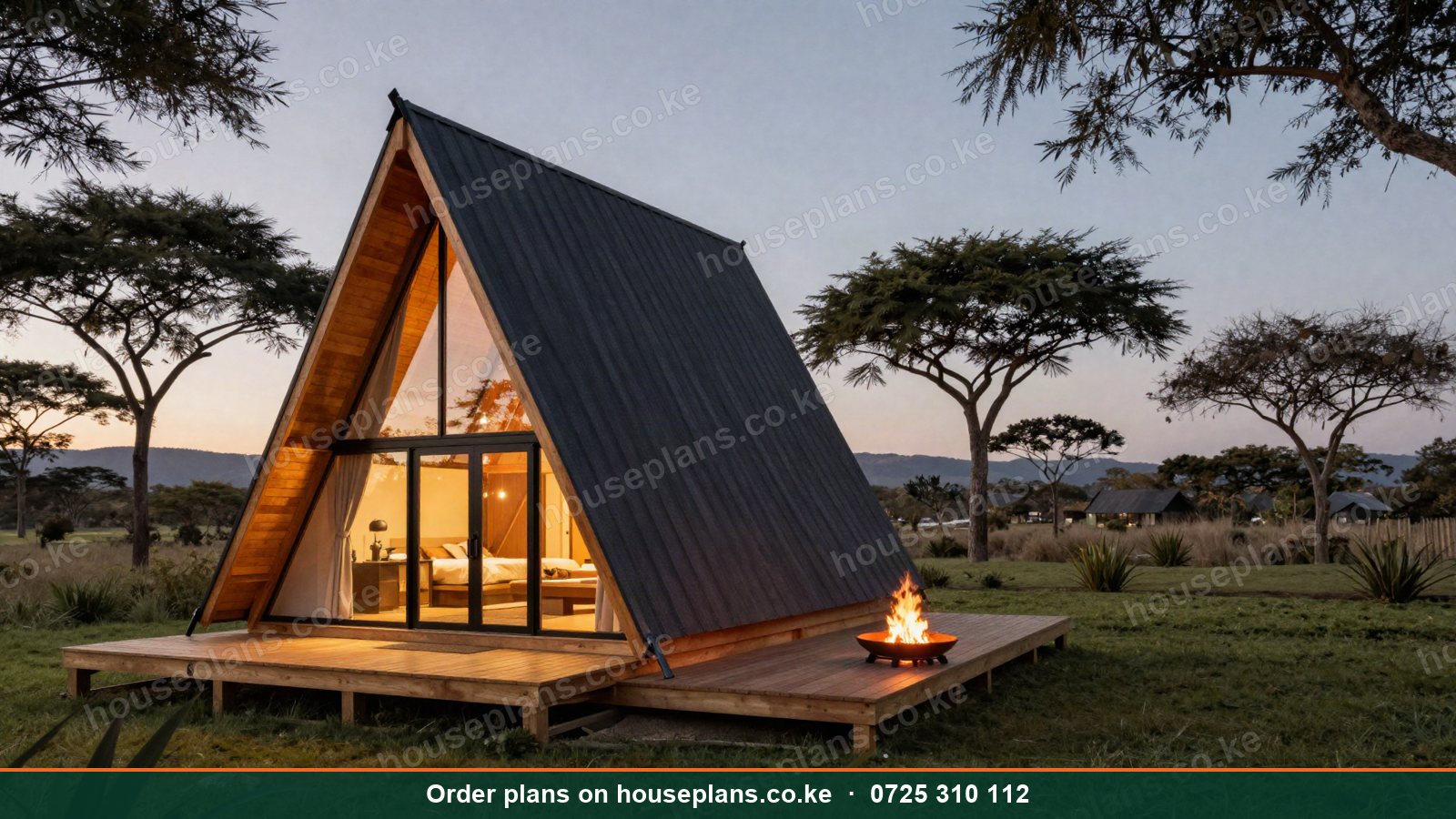
Timber house designs in Kenya bring warmth, character and speed to building. A wooden cabin in the forest near Nyahururu, an A-frame Airbnb overlooking Lake Naivasha or a timber cottage in the tea fields of Limuru all feel instantly welcoming. Moreover, timber homes go up faster than stone, and they suit sites where heavy materials are hard to deliver.
However, timber needs care in Kenya's climate. Termites, rain, sun and fire can all damage a poorly built wooden house. Therefore, design and treatment matter more than with most materials. This guide covers timber cabins, log homes, A-frames, timber frame cottages and wooden houses with stone or block bases. Additionally, we explain costs, treatment, approvals and the best locations for wooden homes.
Talk to an architect today
Call 0725 310 112 or chat with us on WhatsApp. Send your plot size, county and the number of bedrooms, and we will reply with a quote the same day.
Why Build a Timber House in Kenya?
Warmth and Comfort
Timber is a natural insulator. As a result, wooden homes feel warm on cold highland nights. This makes them popular in Nyandarua, Limuru, Molo, Kericho and Nanyuki, where temperatures drop sharply after sunset.
Speed of Construction
Timber frames can be cut off site and assembled quickly. Consequently, a small cabin can be finished in weeks. For Airbnb hosts, this means earning sooner.
Lighter Foundations
Timber homes are much lighter than stone homes. Therefore, they need smaller foundations. This saves money on sloping plots and remote sites, where concrete is expensive to deliver.
Natural Beauty
Wood looks and feels beautiful. Moreover, it blends well with forests, lakes and hills. In fact, many of Kenya's best-loved lodges and holiday homes use timber.
Types of Timber House Designs
A-Frame Cabins
An A-frame cabin has a steep triangular roof that reaches almost to the ground. The roof doubles as the walls. Inside, a loft sleeps guests under the ridge. Our Naivasha A-frame cabin is a 2 bedroom design built for short-stay rentals. It is one of our most popular plans for Naivasha, Nanyuki and the Ngong Hills.
Log Homes
Log homes use whole or milled logs stacked horizontally. They look rustic and solid. However, they need a lot of timber and skilled builders. Consequently, they are less common in Kenya, but they appear in lodges and premium holiday homes.
Timber Frame Cottages
Timber frame cottages use a structural frame of posts and beams, with walls of timber boards or panels. They are flexible and fast. Moreover, they can include large windows and verandas. For example, a 2 bedroom timber cottage suits a farm plot in Kitale or a garden plot in Karen.
Timber on a Stone or Block Base
Many Kenyan wooden homes combine a solid base with a timber upper part. The ground floor uses stone or block, which resists damp and termites. Meanwhile, the upper floor uses timber. As a result, you get the look of wood with better durability.
Timber Cladding on Conventional Homes
Timber cladding adds warmth to stone or block homes. For instance, a contemporary maisonette with timber louvres and soffits looks warm and modern. This is the most popular use of timber in Nairobi suburbs such as Runda, Karen and Kitisuru.
Timber Homes on Small Budgets
A timber home does not have to be expensive. For instance, a compact one-bedroom cabin of 30 to 40 m² with a simple gable roof costs far less than a stone bungalow. Moreover, it can grow later. Many clients start with a small cabin on a farm in Kinangop or Nyahururu, then add a second cabin or a stone main house as funds allow.
To keep costs down, use plantation cypress, standard board lengths and a simple rectangular shape. Additionally, a mabati roof over timber trusses is cheaper than tiles. Read our guide to low cost house plans in Kenya.
Which Timber Should You Use?
Cypress
Cypress is widely grown in Kenya. It is affordable, workable and attractive. However, it needs pressure treatment for outdoor use.
Pine
Pine is cheap and common. It suits internal framing, ceilings and furniture. Outdoors, it must be well treated.
Eucalyptus
Eucalyptus poles are strong and widely available. They are popular for structural posts, roof trusses and fencing. Additionally, treated eucalyptus suits pergolas and gazebos.
Hardwoods
Hardwoods such as mahogany, mvule and imported species are durable and beautiful. However, they cost more, and some local species are protected. Therefore, use certified sources.
Protecting Timber Homes in Kenya
Termites
Termites are the biggest threat. Therefore, every timber home needs a termite barrier under the foundation, treated timber and a raised floor with inspection access. Moreover, keep soil and garden beds away from the timber.
Moisture and Rot
Rain and damp cause rot. Consequently, timber homes need wide roof overhangs, gutters, raised bases and good drainage. In wet areas such as Kisii, Kakamega and Kericho, this is essential.
Sun and UV
Strong sun dries and greys timber. As a result, exterior wood needs a UV-resistant stain or oil every two to three years.
Fire Safety
Timber burns. However, good design reduces the risk. For example, use fire-rated boards around kitchens and fireplaces, install smoke detectors and keep fireplaces well detailed. Additionally, keep a clear zone around the house free of dry grass.
Timber Homes for Airbnbs and Holiday Rentals
Wooden cabins are a favourite with short-stay guests. For instance, cabins near Lake Naivasha, in the forests around Nyahururu and on the slopes of Mt Kenya near Nanyuki are booked weekend after weekend. Similarly, timber cottages in Limuru and Tigoni attract Nairobi families escaping the city.
Successful cabins share a few features. First, they have a deck with a view. Next, they offer a fire pit or a fireplace. Finally, they use warm interiors with timber ceilings and soft lighting. Read our guide to Airbnb and holiday home plans in Kenya.
Timber Decks, Verandas and Outdoor Spaces
Timber decks extend living space outdoors. For example, a deck facing Lake Naivasha or the Ngong Hills becomes the favourite room in the house. Similarly, a timber veranda wrapped around a farmhouse in Kitale or Nyeri offers shade and a place to relax.
However, decks face the harshest conditions. Rain, sun and foot traffic all wear them down. Therefore, we specify durable species, raised joists with air gaps, stainless or galvanised screws and a slight slope for drainage. Additionally, posts sit on concrete pads, never directly in the soil. As a result, decks stay safe and attractive for many years.
Timber Homes in Cold Highland Areas
Kenya's highlands can be surprisingly cold. For instance, nights in Ol Kalou, Njabini, Molo and Timau often drop close to freezing. Timber homes handle this well when insulated. Consequently, we add insulation in walls, floors and roofs, plus double-sealed windows.
A fireplace or a wood stove makes a timber cabin cosy. However, it must be designed safely, with a masonry hearth, a proper flue and clearances from timber. Read about house plans in Nyeri, Meru and Central Kenya for more ideas on designing for the cold.
Timber Homes for Lodges and Camps
Many safari lodges and tented camps use timber platforms and frames. For example, lodges near the Maasai Mara, in Laikipia and around Amboseli place timber decks above the ground to protect the land. Moreover, timber allows easy removal, which helps lodges meet conservancy and NEMA rules. Browse our hotel designs for lodge inspiration.
Timber Houses on the Coast
On the coast, timber and makuti have a long tradition. For example, beach bandas in Diani, Watamu and Lamu use timber posts and thatched roofs. Modern coastal homes often use timber decks, louvres and pergolas. However, salt air and termites are tough on timber. Therefore, choose durable species, use stainless steel fixings and treat everything well. Read about house plans in Mombasa and the coast.
Timber Roofs, Ceilings and Pergolas
Even stone homes use plenty of timber. For instance, most pitched roofs in Kenya sit on timber trusses. Similarly, timber ceilings, exposed beams and pergolas add warmth. Our structural drawings include roof truss layouts, sizes and treatment specifications. See our guide to roofing designs in Kenya.
Designing a Timber Home Step by Step
Choosing the Site
Timber homes love views and trees. However, they hate damp ground. Therefore, we place cabins on well-drained, slightly raised ground. Additionally, we avoid hollows where cold air and moisture collect. On sloping sites, timber homes can sit on posts, which avoids heavy cut-and-fill work.
Planning the Layout
Small timber homes must use every square metre. For example, an open-plan lounge and kitchen with a loft above feels spacious. Meanwhile, built-in benches, storage stairs and window seats add function without clutter. Bathrooms sit together to share plumbing.
Detailing the Envelope
The envelope keeps weather out. Consequently, we specify breathable membranes behind cladding, insulated floors and roofs, and well-sealed windows. As a result, the home stays warm in Molo and cool in Naivasha's afternoon heat.
Adding Services
Timber homes need careful electrical design. Cables run in conduits, and junction boxes are fire-rated. Similarly, plumbing avoids leaks into timber floors. Our MEP drawings show every route.
Timber Interiors
Even stone and block homes can enjoy timber interiors. For instance, timber ceilings in a lounge add warmth and improve acoustics. Similarly, hardwood floors, timber staircases and built-in wardrobes give a home lasting quality. In fact, timber parquet and engineered wood floors are returning to Nairobi homes in Lavington, Kileleshwa and Runda.
However, interior timber still needs protection. Therefore, keep it away from wet areas, use quality finishes and choose seasoned wood that will not warp. Read about interior finishes and joinery drawings in Kenya.
Sustainable Timber Choices
Kenya has strict rules on logging in natural forests. Consequently, timber must come from licensed plantations or legal imports. Plantation cypress, pine and eucalyptus are the most sustainable local choices. Moreover, they grow quickly and are replanted.
Using timber well also reduces waste. For example, designing rooms to standard board lengths cuts offcuts. Similarly, reusing old timber from demolitions adds character. These choices help clients who want an eco-friendly home. See our guide to eco-friendly house plans in Kenya.
Maintaining a Timber Home
Timber homes need regular care. First, inspect for termites every year, especially near the ground. Next, re-stain or oil exterior wood every two to three years. Then clean gutters before the long rains in March and the short rains in October. Finally, check decks and stairs for loose boards. With this routine, a timber home lasts for generations.
How Much Does a Timber House Cost in Kenya?
Timber home costs vary with the timber species, the design and the finish. In 2026, these are typical ranges:
| Timber project | Approximate cost range |
|---|---|
| Small timber cabin, 30–40 m² | KSh 1.2M – 2.2M |
| 2 bedroom A-frame cabin, about 84 m² | KSh 2.8M – 4.5M |
| 3 bedroom timber frame cottage, 110–130 m² | KSh 3.8M – 6.5M |
| Timber cladding on a maisonette façade | KSh 250,000 – 900,000 |
For comparison, conventional construction costs about KSh 32,000 per square metre for basic finishes and KSh 45,000 for standard finishes. Use our building cost calculator, and read about the cost of building a house in Kenya.
Common Mistakes With Timber Homes
Untreated Timber
Untreated timber can fail within a few years. Always use pressure-treated or naturally durable species, especially outdoors.
Timber Touching the Ground
Any timber in contact with soil invites termites and rot. Therefore, keep all timber at least 300 mm above ground on a concrete or stone base.
Narrow Roof Overhangs
Short overhangs let rain soak the walls. Consequently, timber homes need overhangs of 600 mm or more.
Wet Timber During Construction
Building with green, wet timber causes shrinking, gaps and warping. As a result, insist on seasoned timber with a low moisture content.
Approvals for Timber Houses
Permanent timber homes need county approval like any building. Counties expect architectural and structural drawings by registered professionals. Moreover, the drawings must show fire safety details, foundations and timber treatment. We prepare and submit everything. Read our guide on how to get building plans approved in Kenya.
Best Locations for Timber Homes in Kenya
Timber homes suit cool, forested and scenic areas. Popular locations include Naivasha, Nanyuki, Nyahururu, Limuru and Ngong. Additionally, highland towns such as Kericho and Molo suit timber well.
Our Services for Timber and Wooden House Designs in Kenya
Timber Cabin Design
We design A-frames, cabins and timber cottages for holiday homes, Airbnbs and retirement. Each plan suits your view and plot.
Our architect visits the site first. Then we place the cabin to capture views and avoid damp ground.
Hybrid Timber and Stone Homes
We design homes that combine a stone or block base with timber upper floors. Consequently, you get warmth and durability together.
This approach suits family homes in Limuru, Kericho and Nyeri, where damp ground is common.
Timber Cladding and Façades
We design timber louvres, soffits and cladding for modern homes. Moreover, we specify species, finishes and fixings.
As a result, cladding stays beautiful and secure for years, even in strong sun.
Structural Engineering
Our engineers design timber frames, roof trusses and foundations. Therefore, your home is strong and approvable.
We also design timber decks, staircases and pergolas with proper load calculations.
Termite and Fire Detailing
We detail termite barriers, raised floors and fire-rated areas. As a result, your timber home lasts for decades.
We also prepare a simple maintenance schedule, so you know when to inspect, re-stain and treat.
Interior Design and 3D Renders
Every design includes interior design, 3D renders and a walkthrough video. Therefore, you can see the finished cabin before building.
County Approvals
We prepare and submit plans to your county, then follow up until approval.
Talk to an architect today
Call 0725 310 112 or chat with us on WhatsApp. Send your plot size, county and the number of bedrooms, and we will reply with a quote the same day.
Build Your Timber Home With Us
Call or WhatsApp 0725 310 112, or email info@houseplans.co.ke. Our office is in Nairobi, and we serve all 47 counties, including Nakuru, Laikipia, Kiambu, Kajiado, Kericho and Kwale.
Read about alternative building technologies and container and prefab house plans, or order your plan.
Frequently asked questions
Are timber houses durable in Kenya?+
Yes, when properly designed and treated. Termite barriers, raised floors, wide overhangs and regular finishing are essential.
Which timber is best for building in Kenya?+
Treated cypress is the most popular choice. Eucalyptus suits poles and trusses, while hardwoods suit decks and joinery.
How much does an A-frame cabin cost in Kenya?+
A 2 bedroom A-frame of about 84 m² costs roughly KSh 2.8M to 4.5M in 2026, depending on finishes.
Do timber houses need county approval?+
Yes. Permanent timber homes need approved architectural and structural drawings like any other building.
Where do timber homes work best in Kenya?+
They suit cool, scenic areas such as Naivasha, Nanyuki, Nyahururu, Limuru, Ngong and Kericho.
Related searches
- Timber house designs in Kenya
- Best timber house design in Kenya
- Simple timber house designs in Kenya
- Timber house plans Kenya
- Timber cabin architectural designs Kenya
- Timber roof truss fabrication detail plans Kenya
- Timber pergola shade structural plans Kenya
- Timber hardwood parquet flooring plans Kenya
- Timber pergola deck structural details Kenya
- Timber saw mill facility layout plans Kenya
- Cabin house plans Kenya
- Airbnb house plans Kenya
- Cottage house plans Kenya
- Materials house plans Kenya
- Eco house plans Kenya