
Hotel, Lodge and Resort Designs in Kenya: Boutique Hotels, Safari Lodges, Beach Resorts and Guest Houses
By the HousePlans Kenya design team · 4 October 2026 · 11 min read
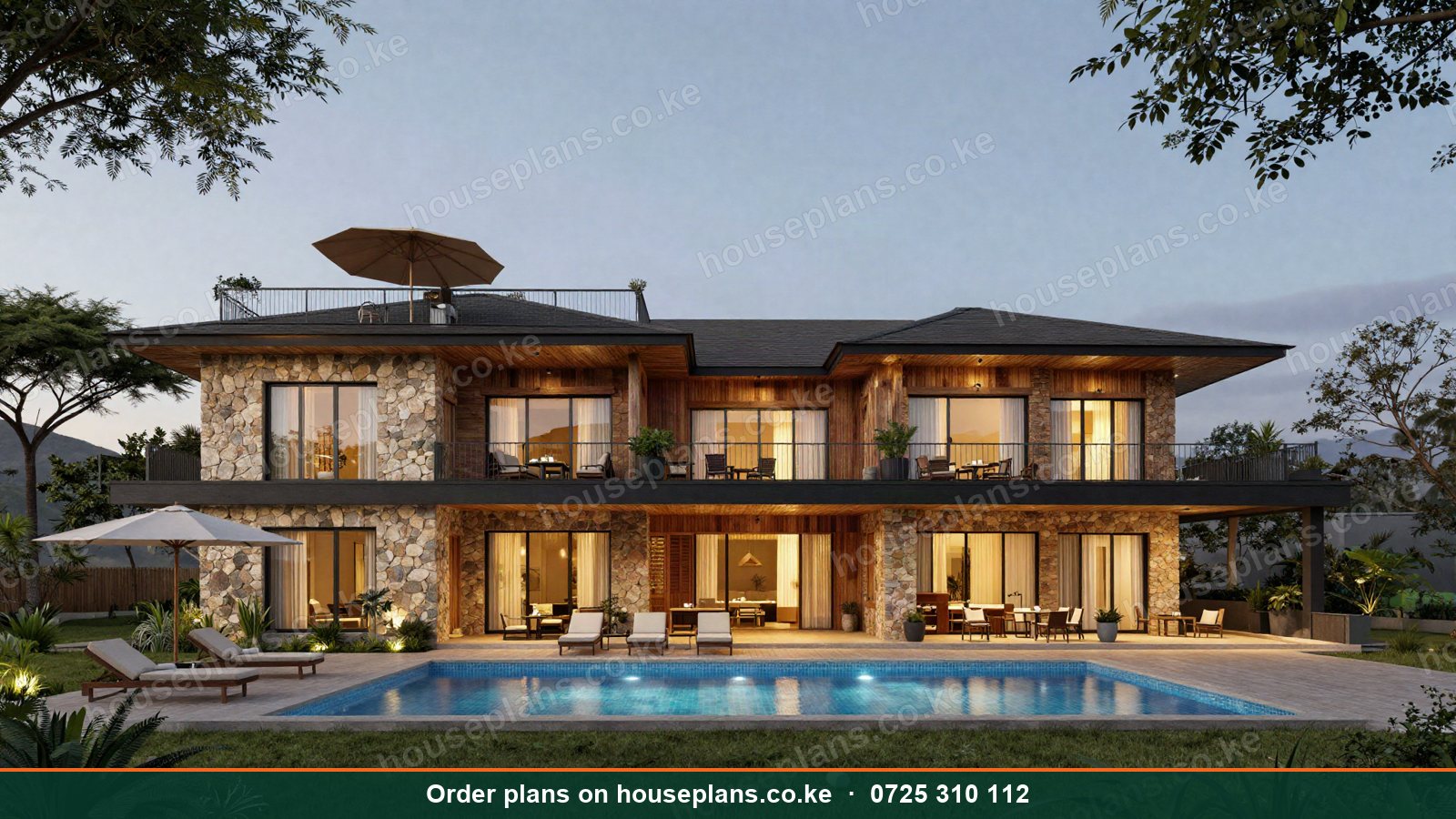
Hotel designs in Kenya must deliver more than beautiful rooms. A hotel is a business that runs every hour of the day. Guests arrive, eat, sleep, swim, meet and leave, while staff cook, clean, wash linen and maintain equipment behind the scenes. Consequently, a successful hotel balances an unforgettable guest experience with efficient operations. From a boutique hotel in Naivasha to a beach resort in Diani or a safari lodge near the Maasai Mara, design drives both guest reviews and profit.
This guide covers hotel, lodge and resort design across Kenya. We explain boutique hotels, city hotels, star-rated hotels, safari lodges, tented camps, eco lodges, beach resorts, guest houses, bed and breakfasts and motels. Additionally, we cover room design, public areas, back-of-house planning, conference facilities, pools and spas, approvals, star classification and costs.
Talk to an architect today
Call 0725 310 112 or chat with us on WhatsApp. Send your plot size, county and the number of bedrooms, and we will reply with a quote the same day.
Types of Hospitality Projects
Boutique Hotels
Boutique hotels have about 10 to 50 rooms with a strong design identity. They suit Naivasha, Nanyuki, Karen, Kilifi and Lamu. Our Serena-style boutique hotel design offers 20 rooms over three floors.
City and Business Hotels
City hotels serve business travellers with efficient rooms, conference rooms, restaurants and parking. For example, our Uhuru city hotel offers 60 rooms over six floors. They suit Nairobi, Mombasa, Kisumu, Nakuru and Eldoret.
3, 4 and 5 Star Hotels
Star-rated hotels follow classification standards for room sizes, facilities, services and finishes. Consequently, design must meet the target rating from the start.
Safari Lodges and Tented Camps
Lodges and camps near the Maasai Mara, Amboseli, Tsavo, Samburu and Laikipia use timber, stone, canvas and thatch to blend with nature. Moreover, they must meet conservancy rules and NEMA requirements.
Eco Lodges
Eco lodges minimise environmental impact with solar power, rainwater harvesting, local materials and low-impact construction. As a result, they attract travellers who care about sustainability. Read about eco-friendly house plans.
Beach Resorts
Beach resorts on the coast combine rooms, villas, pools, restaurants, spas and water sports. Our Diani beach resort design offers 40 rooms over three floors on a large plot.
Guest Houses, B&Bs and Motels
Smaller properties suit towns along major highways, upcountry towns and tourist areas. For instance, guest houses in Nyeri, Kericho and Kitale serve visitors, while motels serve travellers along the Nairobi–Mombasa and Nakuru–Eldoret highways.
Planning a Hotel Project
Market Study
First, understand who your guests will be: business travellers, families, safari tourists, conference groups or weekend visitors. Consequently, room numbers, sizes, prices and facilities follow from the market.
Site Selection
Location drives success. For example, city hotels need access, parking and visibility, while lodges need views and wildlife. Beach resorts need frontage and protection from erosion.
Feasibility
A feasibility study estimates construction cost, operating costs, occupancy and room rates. Therefore, investors and lenders can judge the return before committing.
Brand and Operator
Some owners partner with hotel brands or management companies, which set design standards. As a result, the design must meet the operator's brand manual.
Designing Guest Rooms
Room Sizes
Typical sizes vary by category. For instance, a budget room may be about 18 to 22 m², while a 4 or 5 star room may be 30 to 45 m² or more. Suites add separate lounges.
Bathrooms
Guests judge hotels by their bathrooms. Consequently, good showers, quality fittings, good lighting and ventilation matter enormously.
Views and Balconies
Rooms facing a lake, mountain, ocean or garden command higher rates. Therefore, layouts should give as many rooms as possible a view.
Sound Insulation
Noise ruins sleep. Therefore, solid walls between rooms, quiet corridors and good windows are essential.
Public Areas
Reception and Lobby
The lobby creates the first impression. It needs a welcoming reception desk, seating, good lighting and clear routes to lifts, restaurants and rooms. Moreover, it should be visible from the drop-off.
Restaurants and Bars
Restaurants and bars earn significant revenue. Therefore, they need attractive settings, good kitchens nearby and outdoor terraces where the climate allows. Read about restaurant, bar and event venue plans.
Conference and Event Facilities
Conference rooms, boardrooms and banqueting halls attract corporate business during weekdays. Consequently, they balance weekend leisure demand. They need flexible partitions, audio-visual systems, break-out areas and nearby toilets.
Pools and Pool Decks
Pools are essential for resorts and many hotels. Moreover, pool decks need shade, loungers, a pool bar and changing rooms. Plant rooms and balancing tanks must be designed carefully.
Spas and Wellness Centres
Spas with treatment rooms, steam rooms, saunas and gyms add revenue and appeal. Additionally, wellness retreats are a growing market in Nanyuki, Naivasha and the coast.
Back-of-House Planning
Back-of-house areas keep the hotel running. For example, kitchens, stores, laundries, staff changing rooms, staff dining, offices, plant rooms, waste areas and loading bays all need space and good connections. Consequently, service routes should be separate from guest routes. Guests should never see dirty linen trolleys or deliveries. Therefore, planning back-of-house early saves operating costs for decades.
Hotel Kitchens
Commercial kitchens need receiving areas, cold rooms, dry stores, preparation zones, cooking lines, wash-up areas and pass counters. Moreover, they need extraction hoods, grease traps, gas installations and fire suppression. As a result, kitchen design requires specialist input. Read about MEP drawings in Kenya.
Safari Lodge and Tented Camp Design
Low-Impact Construction
Lodges near parks and conservancies should touch the land lightly. Consequently, raised timber decks, canvas tents, removable structures and local materials are common.
Views and Privacy
Each tent or cottage should enjoy a private view of the plains, river or waterhole. Moreover, spacing between units preserves the wilderness feel.
Off-Grid Services
Remote lodges rely on solar power, boreholes, water treatment and eco-friendly waste systems. Therefore, utilities need careful design.
Regulations
Lodges must comply with NEMA, conservancy agreements and wildlife authority guidelines. Read about land and planning documentation.
Beach Resort Design
Setbacks and Erosion
Beachfront buildings must respect setbacks from the high-water mark. Moreover, they must withstand salt, wind and occasional storms.
Cooling and Ventilation
Coastal resorts benefit from cross-ventilation, high ceilings, shaded terraces and makuti roofs. Consequently, guests stay comfortable and energy costs fall.
Materials
Coral stone, Mazeras stone, hardwood and stainless steel resist the coastal climate. Read about house plans in Mombasa and the coast.
Bed and Breakfast and Guest House Design
Guest houses and B&Bs are a smart entry into hospitality. For example, a property with six to twelve ensuite rooms, a breakfast room, a lounge and a garden can serve business visitors in towns such as Nyeri, Meru, Kericho, Kitale and Embu. Similarly, guest houses near hospitals, universities and county offices attract steady weekday guests.
Design priorities are simple. First, every room needs a private bathroom. Next, a small, efficient kitchen serves breakfast. Then a secure car park and a reception or caretaker's room manage arrivals. Finally, Wi-Fi, hot water and backup power keep guests happy. Consequently, a modest building can deliver excellent reviews.
Motels Along Highways
Motels serve travellers on long routes, such as the Nairobi–Mombasa highway near Voi and Mtito Andei, or the Nakuru–Eldoret route. Therefore, they need visible frontage, easy parking for cars and trucks, a restaurant, fuel or shops nearby and quick check-in. Read about petrol station, car wash and showroom plans, because many motels sit beside service stations.
Wellness Retreats and Spa Resorts
Wellness tourism is growing in Kenya. For instance, retreats in Nanyuki, Naivasha, Kilifi and Diani offer yoga, spas, healthy food and nature walks. Consequently, they need quiet settings, treatment rooms, yoga pavilions, pools and gardens. Moreover, natural materials and soft lighting create calm spaces.
Star Classification and Standards
Hotels in Kenya are classified by the Tourism Regulatory Authority. Classification considers room sizes, facilities, services, safety and finishes. Therefore, decide your target rating early, so the design meets the criteria. Additionally, hotels need tourism licences, county approvals, NEMA approval, fire approval and public health clearance.
Executive Suites and Family Rooms
Different guests need different rooms. For example, executive suites with a lounge, a work desk and a larger bathroom attract business travellers and VIPs. Meanwhile, family rooms with two beds, interconnecting doors or bunk spaces suit holiday families. Similarly, accessible rooms with level showers and wider doors are required for guests with disabilities. Consequently, a good room mix widens your market and raises average rates.
Parking, Arrivals and Drop-Offs
Arrival should feel effortless. Therefore, hotels need a covered drop-off, clear signage, enough parking for guests and conference visitors, and separate service access for deliveries. In city locations, basement or stilt parking may be needed. Moreover, tour buses and safari vehicles need space at lodges and resorts. Read about garage, carport and driveway designs.
Staff Housing for Remote Properties
Remote lodges and resorts must house staff on site. Consequently, staff quarters, a staff canteen, laundry and recreation areas are part of the master plan. Good staff housing helps retain skilled workers far from towns. Moreover, it should be separated from guest areas for privacy and security.
Energy and Water Efficiency in Hotels
Hotels use large amounts of energy and water. Therefore, efficiency saves money every day. For example, solar water heating can supply showers, kitchens and laundries. Similarly, key-card power switches turn off room lights and air conditioning when guests leave. Low-flow fittings, rainwater harvesting and greywater recycling cut water bills. Additionally, LED lighting and efficient pumps reduce power costs. Consequently, many hotels pursue green certification, which also appeals to international guests.
Phasing a Hospitality Project
Many owners start small and grow. For instance, a boutique hotel might open with 12 rooms and a restaurant, then add a wing of 12 more rooms and a conference hall later. Similarly, a tented camp might start with six tents. Therefore, the master plan should show the final vision, with each phase working on its own. As a result, early phases earn income to fund later ones.
Converting Homes Into Guest Houses
Large homes in Karen, Nanyuki, Naivasha, Kisumu and the coast are sometimes converted into guest houses or boutique hotels. However, conversions need change of user, fire safety upgrades, additional bathrooms and licensing. Consequently, a structural and planning assessment comes first. Read about renovation and extension plans in Kenya.
Airbnb Versus Hotel
Smaller investors often compare a hotel with a cluster of Airbnb cottages. A hotel offers more services and attracts conferences, but needs more staff, licensing and capital. Meanwhile, Airbnb cottages are simpler and cheaper to start. Read about Airbnb and holiday home plans to compare.
Common Hotel Design Mistakes
Undersized Back-of-House
Cramped kitchens, laundries and stores slow operations and raise costs. Plan them generously.
Mixed Guest and Service Routes
Guests meeting delivery trolleys and waste bins spoil the experience. Separate the routes.
Poor Sound Insulation
Noisy rooms lead to bad reviews. Invest in solid walls and good windows.
Ignoring Classification Standards
Hotels that miss classification criteria struggle to reach their target rating. Design to the standard from day one.
Hotel Locations Across Kenya
Nairobi
Business hotels thrive in Westlands, Upper Hill, Kilimani and near JKIA. Meanwhile, boutique hotels suit Karen and Lavington. See house plans in Westlands and Karen.
The Coast
Beach resorts and boutique hotels thrive in Diani, Watamu, Malindi, Nyali and Lamu.
The Rift Valley
Naivasha hosts many conference hotels and resorts, while Nakuru City needs business hotels. Similarly, Narok and Talek serve the Maasai Mara.
Central Kenya and Laikipia
Nanyuki and Nyeri host lodges, retreats and hotels serving Mt Kenya and the conservancies.
Western Kenya
Kisumu has growing demand for lakeside hotels and conference facilities.
Hotel Construction Costs in Kenya
Hotel costs vary hugely with category and location. Typical 2026 guide ranges per square metre of building are:
| Hotel type | Approximate cost per m² |
|---|---|
| Budget guest house or motel | KSh 40,000 – 55,000 |
| Mid-range hotel | KSh 55,000 – 75,000 |
| 4–5 star hotel or resort | KSh 75,000 – 120,000+ |
| Tented camp (per unit) | Highly variable, depending on site |
These figures exclude land, furniture, equipment and fees. Moreover, remote sites cost more because of transport. A feasibility study and BQ give accurate figures. Our design fees for commercial buildings fall within KSh 30,000 to 76,500 for smaller projects, while larger hotels are quoted individually. See our pricing page.
Hospitality Project Checklist
First, define your target guests and star rating. Next, confirm land use, access and utilities. Then commission a feasibility study covering room numbers, rates and costs. After that, design guest areas and back-of-house together. Finally, plan approvals with the county, NEMA, fire department and tourism regulator from the start. As a result, your property opens ready to welcome guests and earn revenue.
Our Services for Hotel, Lodge and Resort Design in Kenya
Hospitality Architectural Design
We design boutique hotels, city hotels, resorts, lodges and guest houses. Consequently, every design balances guest experience with efficient operations.
Our architect visits the site and studies views, access and the local market first.
Master Planning
We plan resort and lodge layouts, including rooms, public areas, services and landscaping.
Consequently, guests enjoy views and privacy while staff work efficiently.
Interior Design
We design lobbies, rooms, restaurants and spas in 3D, with finishes schedules.
As a result, your brand identity carries through every space.
Structural and MEP Engineering
We design structures, kitchens, HVAC, fire safety, water, power and waste systems.
Therefore, the hotel runs reliably and efficiently.
Approvals and Licensing Support
We prepare drawings for county, NEMA, fire and tourism approvals.
Approvals run in parallel to save time.
Bill of Quantities
We provide BQs for budgeting, financing and contractor tendering.
Consequently, lenders and investors see exactly where their money goes.
3D Renders and Walkthroughs
We produce marketing renders and walkthroughs for investors, lenders and pre-opening sales.
As a result, you can take bookings before the doors open.
Talk to an architect today
Call 0725 310 112 or chat with us on WhatsApp. Send your plot size, county and the number of bedrooms, and we will reply with a quote the same day.
Plan Your Hotel or Lodge
Call or WhatsApp 0725 310 112, or email info@houseplans.co.ke. Our office is in Nairobi, and we serve every county.
Browse our hotel designs, read about commercial building plans in Kenya, or order your plan.
Frequently asked questions
How much does it cost to build a hotel in Kenya?+
Roughly KSh 40,000 to 120,000+ per m² in 2026, depending on category and location, excluding land, furniture and fees.
What approvals does a hotel need?+
County building approval, NEMA approval, fire approval, public health clearance and tourism licensing and classification.
What is a boutique hotel?+
A small hotel, usually 10 to 50 rooms, with a strong design identity and personal service.
Can a safari lodge be built inside a conservancy?+
Yes, subject to conservancy agreements, NEMA approval and wildlife guidelines, using low-impact designs.
How big should a hotel room be?+
About 18 to 22 m² for budget rooms and 30 to 45 m² or more for 4 and 5 star rooms.
Related searches
- Hotel designs in Kenya
- Hotel resort plan design in Kenya
- Hotel architectural plans Kenya
- Boutique hotel plans Kenya
- Coastal hotel plans Kenya
- Hotel room layout plans Kenya
- Executive suite hotel plans Kenya
- Conference facility hotel plans Kenya
- Hotel reception lobby designs Kenya
- Hotel swimming pool deck plans Kenya
- Tourist hotel master plans Kenya
- Hotel building plans in Kenya
- 3 star hotel design plans Kenya
- 4 star hotel design plans Kenya
- 5 star hotel master plans Kenya
- Hotel house plans Kenya
- Hospitality house plans Kenya
- Commercial house plans Kenya