

Petrol Station, Car Wash and Showroom Plans in Kenya: Service Stations, Garages, Drive-Throughs and Bus Terminals
By the HousePlans Kenya design team · 4 October 2026 · 12 min read
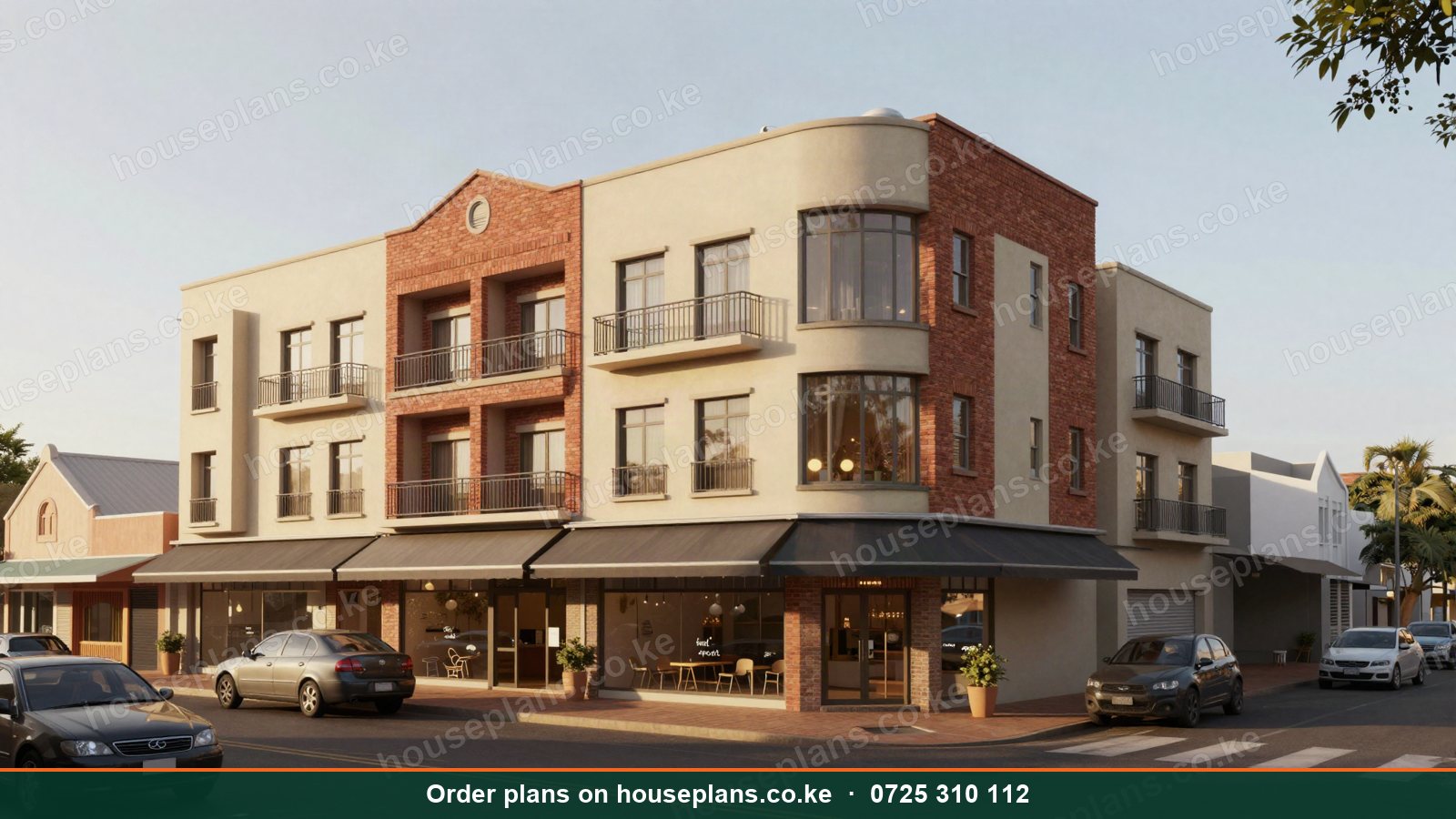
Petrol station design plans in Kenya must balance safety, traffic flow and retail income. A modern service station is far more than fuel pumps. It often includes a convenience store, a café or fast-food outlet, a car wash, tyre and lube services, ATMs, toilets and parking. Consequently, good design increases both safety and revenue. Similarly, car washes, garages, showrooms and drive-through restaurants along Kenya's busy roads all depend on smart layouts that move vehicles smoothly.
This guide explains how to plan vehicle-focused commercial buildings in Kenya. We cover petrol and service stations, car washes, auto repair garages, car and furniture showrooms, drive-through restaurants and bus and matatu terminals. Additionally, we explain safety, environmental approvals, licensing, traffic access and costs.
Talk to an architect today
Call 0725 310 112 or chat with us on WhatsApp. Send your plot size, county and the number of bedrooms, and we will reply with a quote the same day.
Petrol and Service Stations
Site Selection
Location is everything for a fuel station. Therefore, look for high traffic volumes, easy entry and exit, visibility from a distance and enough plot size. Typically, a station with a forecourt, shop and car wash needs at least a quarter acre, and larger highway stations need more. Moreover, corner plots at junctions are attractive, but road safety rules may restrict access points.
Forecourt Design
The forecourt holds fuel dispensers under a canopy. Consequently, vehicle lanes must allow cars, trucks and matatus to enter, fuel and leave without crossing paths. Additionally, space for queuing keeps traffic off the main road.
Underground Fuel Tanks
Fuel is stored in underground tanks with leak detection, vent pipes and fill points. Therefore, tanks need engineered foundations, corrosion protection and safe distances from boundaries, buildings and water sources.
Canopy
A large canopy shelters dispensers and customers from sun and rain. Moreover, it carries branding and lighting. Steel structures are common.
Convenience Store and Café
Shops and cafés earn high margins. Consequently, many stations invest in attractive stores with seating, toilets and Wi-Fi. Read about restaurant, bar and event venue plans.
Service Bays
Lube bays, tyre services and quick repairs add income. They need pits or lifts, drainage and oil separators.
Toilets and Rest Areas
Clean toilets attract travellers, especially on highways. Therefore, plenty of well-maintained toilets and a small rest area pay off.
Safety at Fuel Stations
Fuel stations handle flammable liquids. Consequently, safety design is critical. This includes fire extinguishers, emergency shut-off switches, no-smoking zones, explosion-proof electrical fittings in hazardous zones, lightning protection, fuel spill containment and oil-water interceptors in drainage. Moreover, clear escape routes and good lighting matter.
Approvals and Licensing
Petrol stations need several approvals. For example, county building approval, change of user where the land is not zoned for commercial use, NEMA environmental impact assessment, energy regulator licensing for petroleum retail, fire approval and roads authority approval for access. Therefore, early planning saves months. Read about land and planning documentation.
Sustainability at Service Stations
Service stations have large canopies and roofs, which are perfect for solar panels. Consequently, solar power can run lighting, pumps, shops and fridges, cutting electricity bills significantly. Moreover, rainwater harvesting from canopies supplies car washes and toilets. LED lighting under canopies saves energy while improving visibility at night. Similarly, water recycling at car washes reduces both costs and environmental impact. As a result, green features improve profits and the brand's image. Read about eco-friendly house plans in Kenya.
Security at Vehicle Businesses
Fuel stations, garages and showrooms handle cash and valuable stock. Therefore, they need CCTV, good lighting, secure cash offices, strong doors and controlled access after hours. Additionally, showrooms need laminated glass and alarms. Read about home security design in Kenya.
Car Wash Design
Types of Car Washes
Car washes range from simple open bays with pressure washers to covered multi-bay facilities and automated tunnels. Consequently, the right type depends on budget and location. In Kenya, manual covered bays are most common, while automated systems are growing at service stations and malls.
Layout
A good car wash has a queue lane, washing bays, a drying and vacuum area, a waiting lounge and a payment point. Moreover, vehicles should flow in one direction. Therefore, the plot shape matters.
Water and Drainage
Car washes use a lot of water. As a result, boreholes, large tanks and water recycling systems reduce costs. Additionally, silt traps and oil interceptors are needed before discharge, as required by environmental rules. Read about water and power planning.
Customer Lounge
A comfortable waiting area with seating, Wi-Fi, a TV and snacks keeps customers happy. Moreover, a café can turn waiting time into extra income.
Auto Repair Garages
Garages need repair bays with pits or lifts, a parts store, an office, a customer reception, toilets and secure parking for vehicles awaiting repair. Consequently, heavy-duty floors, good lighting, three-phase power, compressed air and ventilation are essential. Additionally, oil separators protect drains. Garages suit industrial areas and busy roads in Nairobi, Thika, Nakuru, Eldoret and Kisumu.
Showrooms
Car Showrooms
Car showrooms need large, column-free spaces with full-height glazing, polished floors and dramatic lighting. Moreover, they need offices, customer lounges, a service reception and often a workshop behind. Consequently, steel or long-span concrete structures work best.
Furniture and Tile Showrooms
Furniture, tile, sanitaryware and electronics showrooms need wide open floors, good lighting, display walls and storage. Additionally, loading bays for deliveries are essential.
Showroom Locations
Showrooms thrive along major roads such as Mombasa Road, Thika Road, Ngong Road, Kiambu Road and highways near Nakuru and Eldoret. Read about shopping mall and plaza designs.
Drive-Through Restaurants
Drive-throughs need a queuing lane long enough to keep cars off the road, an order point, a payment window and a pickup window. Moreover, the kitchen must sit close to the windows. Consequently, the site layout drives the building design. Drive-throughs suit malls, service stations and busy roads.
Bus and Matatu Terminals
Terminals need bays for buses and matatus, passenger waiting areas, ticket offices, toilets, shops and food kiosks. Additionally, safe pedestrian routes and clear vehicle circulation reduce chaos. Moreover, many counties are modernising terminals in towns such as Machakos, Kitengela, Nakuru and Kisumu. Consequently, good design improves safety and earns rent from shops.
Highway Service Centres
Along major highways such as Nairobi–Mombasa, Nairobi–Nakuru and Nakuru–Eldoret, travellers need full service centres. These combine fuel, shops, restaurants, toilets, truck parking, motels and sometimes mechanics. Consequently, they serve both private motorists and long-distance trucks. Towns such as Mtito Andei, Voi, Emali, Sultan Hamud, Naivasha, Gilgil and Salgaa are natural stops. Read about hotel, lodge and resort designs for motel ideas.
Traffic Access and Road Safety
Vehicle businesses depend on safe access. Therefore, entry and exit points must meet road authority rules, with acceleration and deceleration lanes on fast roads. Moreover, internal circulation must avoid conflicts between cars, trucks and pedestrians. Clear markings, signage and lighting help. Consequently, early engagement with the roads authority avoids redesigns.
Environmental Considerations
Fuel stations, car washes and garages can pollute soil and water. Therefore, designs include spill containment, oil-water interceptors, leak detection for tanks, proper waste oil storage and controlled drainage. Moreover, NEMA reviews these measures. As a result, responsible design protects both the environment and your licence.
Partnering With Fuel Companies
Many landowners partner with oil marketing companies rather than running stations themselves. For example, a landowner may lease the site to a fuel company, which builds and operates the station. Alternatively, a dealer may build the station and operate it under the company's brand. Consequently, the fuel company usually sets design standards for canopies, dispensers, signage, shops and safety. Therefore, involve the partner early, so the design meets both your goals and their brand manual.
Electric Vehicle Charging
Electric vehicles are growing in Kenya, including electric motorbikes, buses and cars. Consequently, forward-thinking stations are adding charging points and battery-swap stations for electric boda bodas. These need dedicated power supply, often three-phase, plus shaded parking bays. Moreover, solar panels on the forecourt canopy can supply part of the power. Planning conduits and space now future-proofs the site.
Truck Stops and Logistics Hubs
Long-distance trucks need large parking areas, secure overnight parking, showers, restaurants, mechanics and sometimes weighbridges. Therefore, truck stops near Mlolongo, Salgaa, Malaba and Busia are vital for the logistics industry. Moreover, they create jobs and income for nearby towns. Read about warehouse and factory building plans for logistics facilities.
Branding and Visibility
Vehicle businesses depend on being seen. Therefore, tall pylon signs, illuminated canopies, clear entry signs and good lighting attract drivers from a distance. However, county advertising rules apply, so signage must be included in approvals. Consequently, a coordinated design looks professional and complies with regulations.
Common Design Mistakes
Tight Turning Spaces
Trucks and buses cannot manoeuvre in cramped forecourts. Design for the largest vehicle.
Queues Spilling Onto the Road
Short queuing lanes at car washes and drive-throughs block traffic. Plan enough stacking space.
Poor Drainage
Oil and silt in drains cause environmental violations. Install interceptors.
Ignoring Future Expansion
Successful sites often add services later. Leave space for growth.
Estimating Returns From Vehicle Businesses
Each vehicle business earns differently. For example, fuel margins are thin, so stations rely on volume and add shops, cafés and services for higher margins. Meanwhile, car washes earn steady cash daily, especially near estates, malls and offices. Similarly, garages earn from labour and parts, while showrooms earn from sales and lease income. Therefore, a feasibility study should estimate traffic counts, local competition, prices and operating costs. Consequently, the design can focus investment on the parts that earn the most.
Tyre Centres, Spare Parts Shops and Auto Malls
Tyre centres need fitting bays, balancing and alignment equipment, storage racks and a waiting area. Moreover, spare parts shops need secure storage, display counters and loading access. Consequently, many investors build auto malls that group parts shops, garages, tyre centres and car washes on one site. As a result, customers find everything in one place, and tenants benefit from shared traffic. Industrial Area in Nairobi, Kirinyaga Road, and similar areas in Nakuru, Eldoret and Kisumu show how strong this cluster can be.
Parking Yards and Car Yards
Car yards selling used vehicles need secure, well-drained, paved or gravelled yards, shade structures, an office and good lighting. Additionally, a wash bay and a small workshop help prepare vehicles for sale. Similarly, secure parking yards for trucks, buses and boda bodas earn daily fees in busy towns. Therefore, simple, durable designs with strong perimeter security work best. Read about garage, carport and driveway designs for paving and drainage ideas.
Designing for Boda Bodas
Boda bodas are central to transport across Kenya. Consequently, stations and terminals benefit from dedicated boda boda fuelling lanes, parking, shade and stages. Moreover, electric boda boda battery-swap points are an emerging opportunity. Designing for boda bodas reduces conflicts with cars and improves safety.
Weighbridges and Industrial Access
Industrial sites, quarries and agricultural collection centres often need weighbridges and heavy vehicle access. Therefore, weighbridge pits, approach slabs, offices and queuing lanes must be designed for heavy loads. Read about foundation designs in Kenya.
Opportunities Across Kenya
Vehicle-focused businesses thrive along Nairobi's main roads and bypasses, as well as satellite towns such as Ruiru, Kitengela, Mlolongo, Athi River and Thika. Meanwhile, highway towns such as Naivasha, Gilgil, Emali and Mtito Andei suit service centres. Similarly, county towns such as Nakuru, Eldoret and Kisumu support showrooms and garages.
Construction Costs
Typical 2026 guide costs are:
| Facility | Approximate cost guide |
|---|---|
| Petrol station canopy and forecourt | Project-specific, often several millions |
| Convenience store building | KSh 45,000 – 65,000 per m² |
| Covered car wash bays | KSh 25,000 – 40,000 per m² |
| Auto garage workshop | KSh 30,000 – 45,000 per m² |
| Car showroom | KSh 55,000 – 85,000 per m² |
Fuel tanks, dispensers, car wash equipment and branding are extra and often supplied by fuel companies or equipment suppliers. A feasibility study and BQ give accurate figures. Browse our commercial building designs.
Vehicle Business Checklist
First, count the traffic passing your site at different times of day. Next, confirm zoning, road access rules and any change of user needed. Then decide whether to partner with a fuel company or operate independently. After that, design circulation for the largest vehicles, with enough queuing space. Moreover, plan drainage, interceptors and spill containment from the start. Finally, coordinate county, NEMA, energy regulator, fire and roads authority approvals. As a result, your business opens safely and serves customers efficiently.
Key Takeaways
Vehicle businesses succeed when traffic flows smoothly, safety is designed in and drainage protects the environment. Moreover, shops, cafés and services add margin beyond fuel or washing. Therefore, plan the site layout first, then the buildings, and secure every approval before construction starts.
Planning for the Future
Fuel, mobility and retail keep changing. Therefore, leave space for electric charging, extra service bays and a larger shop. Consequently, the site can adapt as customer needs evolve.
Our Services for Petrol Station, Car Wash and Showroom Plans
Site Planning and Feasibility
We test site layouts, access and circulation before design. Consequently, vehicles move smoothly and safely.
Our architect visits the site, studies traffic and checks road reserves and access rules, so the layout works with the road, not against it.
Architectural Design
We design forecourts, convenience stores, car washes, garages, showrooms and terminals.
Consequently, every building supports smooth vehicle flow and strong sales.
Structural Engineering
We design canopies, long-span showrooms, tank foundations and heavy-duty floors.
Therefore, structures carry heavy loads safely for decades.
MEP and Environmental Design
We design drainage, interceptors, water recycling, hazardous-zone electrical layouts and lightning protection.
As a result, your site meets NEMA and safety requirements.
Approvals Coordination
We coordinate county, NEMA, fire, roads authority and energy regulator approvals.
Approvals run in parallel to save time.
Bill of Quantities
We prepare BQs for budgeting, financing and tendering.
Lenders and partners see clear, itemised costs.
3D Renders
We produce renders for investors, fuel company partners and lenders.
They help secure partnerships and funding faster.
Talk to an architect today
Call 0725 310 112 or chat with us on WhatsApp. Send your plot size, county and the number of bedrooms, and we will reply with a quote the same day.
Plan Your Vehicle-Focused Business
Call or WhatsApp 0725 310 112, or email info@houseplans.co.ke. Our office is in Nairobi, and we serve every county.
Read about commercial building plans in Kenya, or order your plan.
Frequently asked questions
How much land does a petrol station need in Kenya?+
Usually at least a quarter acre for a forecourt, shop and car wash, and more for highway service centres.
What approvals does a petrol station need?+
County building approval, possibly change of user, NEMA approval, energy regulator licensing, fire approval and roads authority access approval.
How do car washes handle wastewater?+
Through silt traps and oil-water interceptors before discharge, and increasingly through water recycling systems.
What makes a good car showroom?+
Large column-free space, full-height glazing, strong lighting, customer lounges and a service area behind.
Can a petrol station include a restaurant?+
Yes. Convenience stores, cafés and drive-throughs are common and profitable additions.
Related searches
- Petrol station design plans in Kenya
- Petrol station design plans Kenya
- Petrol station convenience store building plans Kenya
- Commercial house plans Kenya
- Petrol station house plans Kenya
- Car wash house plans Kenya
- Showroom house plans Kenya
- Investment house plans Kenya
- Highway house plans Kenya
- 3 bedroom house plans in Kenya
- 3 bedroom house design in Kenya
- Low cost simple 3 bedroom house plans in Kenya
- House design Kenya
- House plans Kenya
- Best house designs in Kenya
- Cheap house designs in Kenya
- 2 bedroom house design in Kenya