

Building in Kenya From the Diaspora: House Plans, Remote Project Management and How to Avoid Losing Money
By the HousePlans Kenya design team · 4 October 2026 · 11 min read
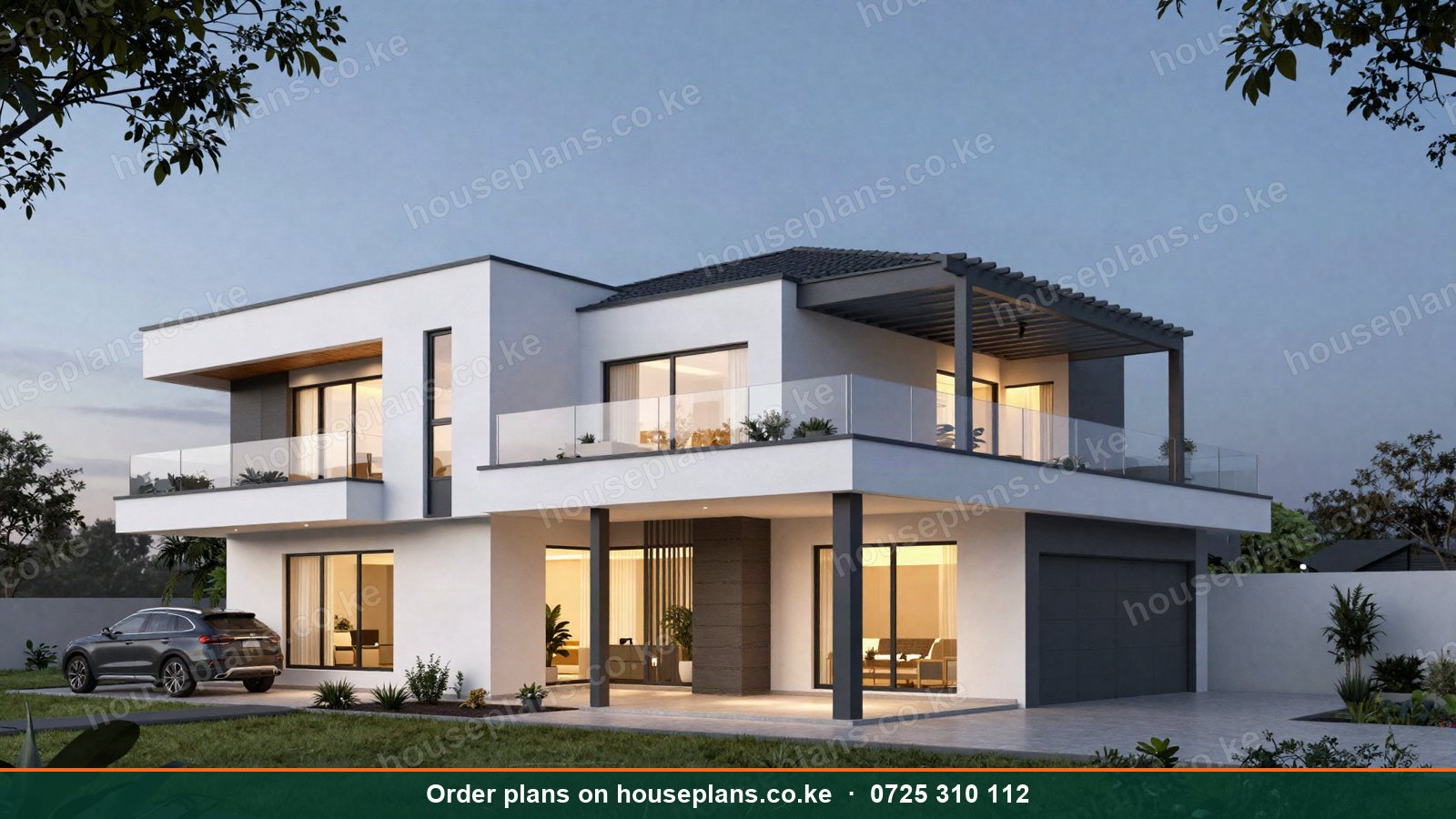
Building in Kenya from the diaspora is a dream for millions of Kenyans living in the US, the UK, Canada, the Gulf, Europe and Australia. A home in Kenya means a place to return to, a base for family and an investment that grows. However, many diaspora builders have painful stories: money sent home that never became a house, walls that crack within a year, or costs that doubled without explanation. The good news is that these problems are avoidable with the right process.
This guide explains how to build safely from abroad. We cover land searches, ordering house plans online, approvals, bills of quantities, choosing contractors, staged payments, remote supervision, financing and turnkey options. Additionally, we share the designs that diaspora clients choose most often and the areas they prefer.
Talk to an architect today
Call 0725 310 112 or chat with us on WhatsApp. Send your plot size, county and the number of bedrooms, and we will reply with a quote the same day.
Why So Many Diaspora Projects Go Wrong
Relying on Relatives Without a System
Many people ask a relative to manage the build. Sometimes this works. However, relatives are rarely construction experts, and money can be misused. Consequently, family relationships suffer as well as finances.
Building Without Plans or Approvals
Some builders skip drawings to save money. As a result, the house may be unsafe, unapprovable or impossible to finance later.
Paying Ahead of Progress
Sending large sums before work is done removes your control. Therefore, payments must follow verified progress.
No Bill of Quantities
Without a BQ, nobody knows what the house should cost. Consequently, inflated invoices are hard to challenge.
Step 1: Buy Land Safely
Land fraud is the biggest risk for diaspora buyers. Therefore, always do an official search at the Ministry of Lands, now largely online through the Ardhisasa platform in many areas. Additionally, visit the land through a trusted representative, confirm the beacons with a licensed surveyor and use an advocate for the sale agreement. Never pay the full price before the transfer is complete.
Also check zoning, access roads, water and power. For example, a plot in Kitengela may be cheap, but black cotton soil can add foundation costs. Similarly, a plot without road access may be hard to build on.
Setting a Realistic Budget
Construction costs in Kenya in 2026 average about KSh 32,000 per square metre for basic finishes, KSh 45,000 for standard finishes and KSh 65,000 for premium finishes. Therefore, a 250 m² 4 bedroom maisonette with standard finishes costs roughly KSh 11M before land, fees and furniture. Meanwhile, a 140 m² 3 bedroom bungalow costs roughly KSh 6.3M.
Add professional fees, approvals, utility connections, the perimeter wall, gate and landscaping. Together, these often add 10–20%. Additionally, keep a contingency of about 10% for surprises. Use our building cost calculator to test your numbers, and read our guide to the cost of building a house in Kenya.
Exchange rates matter too. For example, a weaker shilling makes your dollars, pounds or euros go further, but imported finishes cost more. Consequently, many clients send funds in tranches and lock in budgets per phase.
Step 2: Order Professional House Plans
You can order plans entirely online. First, share your plot size, location, budget and wishes. Next, our architect visits the site and records the conditions. Then we design the home and share drawings, 3D renders and a walkthrough video on WhatsApp and email. Finally, we revise the design until you are happy.
Read our guide to buying house plans online in Kenya, or order your plan directly.
Design for the way you will use the home. For instance, if the house will be rented while you are abroad, choose durable finishes and a layout that suits tenants. If it will be a family base, plan guest rooms and space for gatherings. Either way, decide before construction starts.
Step 3: Get Structural Drawings and a BQ
Structural drawings make the house safe. Meanwhile, a bill of quantities lists every material and its cost. Together, they let you compare contractor quotes fairly and track spending. Read about structural drawings and bills of quantities.
Step 4: Get County Approval
Every house needs approved plans. Moreover, banks and SACCOs require approvals before lending. We submit your plans and follow up until approval, so you never need to visit the county office. Read our guide on how to get building plans approved in Kenya.
Step 5: Choose the Right Contractor
Labour-Only vs Full Contract
In a labour-only contract, you buy the materials and the contractor provides labour. In a full contract, the contractor supplies everything. For diaspora clients, full contracts with a fixed price based on the BQ are usually safer, because there is less to manage.
Check Registration and References
Choose a contractor registered with the National Construction Authority (NCA). Additionally, visit their past projects and speak to previous clients.
Sign a Written Contract
A contract should define the scope, price, payment stages, timeline, quality standards and penalties for delay. Your advocate should review it before you sign.
Step 6: Pay in Stages Tied to Progress
Never pay large sums upfront. Instead, pay in stages tied to milestones such as foundation, walling to ring beam, roofing, plastering, finishes and handover. Before each payment, an independent professional should verify the work. Consequently, your money always matches what is built.
| Typical stage | Share of build cost |
|---|---|
| Site preparation and foundation | 10–15% |
| Walling to ring beam | 15–20% |
| Slab or roof structure | 15–20% |
| Roofing, windows and doors | 15–20% |
| Plaster, plumbing and electrical | 15–20% |
| Finishes and handover | 15–20% |
Quality Checks at Each Stage
Certain stages need extra attention, because mistakes are hard to fix later. First, check the setting out: the house must sit in the right place with correct setbacks. Next, inspect foundation trenches and reinforcement before concrete is poured. Then check column and beam steel before casting the slab. After that, confirm roof trusses and waterproofing. Finally, test plumbing for leaks before tiling. An independent inspector photographs and signs off each stage, so you have proof that the work meets the drawings.
Step 7: Supervise Remotely
Independent Supervision
An independent architect, engineer or project manager visits the site at key stages. They check quality and certify progress. Therefore, contractors know someone is watching.
Photos and Video Updates
Regular photo and video updates on WhatsApp keep you informed. Moreover, video calls from the site let you see progress live.
Site Cameras
Some clients install solar-powered cameras on site. As a result, they can watch progress and deliveries from abroad.
Where Diaspora Clients Build
Nairobi's Satellite Towns
Most diaspora homes rise in the towns around Nairobi. For example, Kitengela, Syokimau, Ruiru, Juja, Ruaka and Ongata Rongai offer affordable land, gated estates and easy access to the airport. Moreover, rental demand is strong, so homes earn when owners are away. Read about house plans in Kiambu, Machakos and Kajiado.
Home Counties
Many Kenyans abroad build in their home areas. For instance, homes rise in Kisii, Kakamega, Nyeri, Meru, Eldoret and Machakos. These homes serve as family bases for holidays, funerals and weddings, and later as retirement homes.
The Coast
Others choose the coast for holiday homes and Airbnbs. Nyali, Diani, Mtwapa and Watamu are favourites. Read about house plans in Mombasa and the coast.
Time Zones and Communication
Building across time zones needs a clear rhythm. Therefore, agree on a weekly update day and a format, such as photos, a short video and a progress note. Additionally, keep all decisions in writing, ideally in one WhatsApp group with your architect, contractor and family representative. Consequently, there is always a record of what was agreed.
Decisions should happen early, not on site. For example, finalise tiles, kitchen layout and paint colours during design, using 3D renders. As a result, the contractor does not wait for your answer at 3 a.m. your time.
Sending Money Safely
Use traceable channels for every payment. For instance, bank transfers to a company account or a project account give a clear trail. Meanwhile, avoid cash payments through relatives. Some clients use an escrow-style arrangement through their advocate or bank, releasing funds only after certified progress. Moreover, keep every receipt and invoice.
Phasing a Diaspora Build
Most diaspora clients build in phases to match their savings. Therefore, design the whole house first, get full approval, then build stage by stage. For example, phase one might cover the foundation and walls, phase two the slab and roof, and phase three the finishes. Each phase ends at a safe, weather-tight point. Consequently, the structure does not deteriorate between phases.
Visiting Home During Construction
If possible, visit at key moments: before the foundation is cast, when the roof goes on and before finishes start. These visits let you check quality, meet the team and make decisions on the spot. Meanwhile, December and August holidays are popular times, so book site meetings early.
Financing Options for the Diaspora
Several Kenyan banks and SACCOs offer diaspora mortgages and construction loans. Typically, they require approved plans, a BQ, a valuation and proof of income. Some also allow you to build in phases with staged disbursements. Learn more on our financing page.
Many diaspora clients also self-fund in phases. For example, they build the foundation and walls one year, then roof and finish the next. Consequently, careful planning and a phased BQ are essential.
Common Scams and Warning Signs
Fake Land Sellers
Fraudsters sell land they do not own, or sell the same plot to several buyers. Therefore, always verify the title through an official search and meet neighbours and the local chief through a trusted representative.
Ghost Progress Photos
Some dishonest builders send photos of other sites. Consequently, ask for live video calls, dated photos with a newspaper or a landmark, and independent inspections.
Inflated Material Invoices
Invoices for cement, steel or stone may be inflated or repeated. As a result, a BQ and delivery records are essential. Compare invoices with the BQ quantities.
Requests for Urgent Money
Sudden "emergencies" that need money today are a warning sign. In fact, genuine construction issues can wait a day for verification.
Documents to Keep Safe
Keep digital copies of everything in one folder. This includes the title deed and search, the sale agreement, survey and beacon reports, approved architectural and structural drawings, the BQ, the contractor's contract and NCA registration, payment receipts and inspection reports. Moreover, share access with one trusted person in Kenya. Consequently, nothing is lost if a phone or laptop fails.
Turnkey Design and Build Packages
Some diaspora clients prefer a single company to handle everything: design, approvals, construction and handover. This is called a turnkey or design-and-build package. It reduces the number of people to manage. However, you still need independent checks, because the same company designs and builds. Read about design and build turnkey house packages in Kenya.
Insurance During Construction
A building under construction faces risks from fire, theft, storms and accidents. Therefore, ask your contractor for contractor's all-risk insurance and workers' injury cover. Additionally, once the house is complete, take out home insurance. Banks require insurance for mortgaged homes, but it is wise for every home.
Designing for Your Return
Many diaspora homes become retirement homes. Consequently, design for the future now. For example, a ground-floor master suite, wide doorways, level entrances and grab rails in one bathroom make the home comfortable later in life. Similarly, a guest wing or DSQ can house a caretaker or visiting family. Moreover, solar power and water storage reduce running costs in retirement.
Popular Diaspora House Designs
Maisonettes for Satellite Towns
Four and five bedroom maisonettes are favourites in Kitengela, Syokimau, Ruiru and Ruaka. Our Kitengela maisonette and Lavington maisonette are popular choices. Browse maisonette house plans.
Upcountry Bungalows
Many diaspora clients build a retirement or family home in their home county. For instance, 3 and 4 bedroom bungalows in Kisii, Kakamega, Nyeri and Machakos are common. Our Kifaru bungalow and Malaika bungalow suit these plots.
Rental Investments
Others build income-generating apartments or bedsitters. Our Umoja apartments and Githurai rentals suit diaspora investors. Read about apartment and rental building plans.
Airbnbs and Holiday Homes
Short-stay rentals in Naivasha, Nanyuki and Diani earn while you are abroad. Read our guide to Airbnb and holiday home plans.
Our Services for Diaspora Clients Building in Kenya
Online Architectural Design
We design your home entirely online, with WhatsApp and video calls at every stage. Consequently, distance is no barrier.
We schedule calls to suit your time zone, whether you are in Dallas, London, Dubai or Sydney.
Site Visits on Your Behalf
Our architect visits your plot, takes photos and video, and confirms conditions.
We also check access, soil, neighbouring buildings and beacons, then share a short report.
Structural Drawings and BQ
We provide structural drawings and a detailed BQ. Therefore, you can compare contractors and control costs.
County Approvals
We handle submissions and follow-up in all 47 counties.
You never need to travel home just to visit a planning office.
Contractor Tendering Support
We help you compare contractor quotes against the BQ.
Consequently, you can spot inflated prices and missing items before signing.
Stage Inspections
We inspect work at key stages and report with photos before you release payments.
As a result, every shilling you send matches work that is done properly.
3D Renders and Walkthroughs
Every design includes renders and a walkthrough video, so family abroad and at home can agree on the design. Interior design and MEP drawings are also included free.
Talk to an architect today
Call 0725 310 112 or chat with us on WhatsApp. Send your plot size, county and the number of bedrooms, and we will reply with a quote the same day.
Start Your Diaspora Build Safely
Call or WhatsApp 0725 310 112 from anywhere in the world, or email info@houseplans.co.ke. Our office is in Nairobi, and we serve all 47 counties.
Read about house plans in Kenya, check our pricing, or order your plan.
Frequently asked questions
Can I build a house in Kenya while living abroad?+
Yes. With professional plans, a BQ, an approved design, a registered contractor, staged payments and independent supervision, many Kenyans build safely from abroad.
How do I avoid being cheated when building from the diaspora?+
Pay only for verified progress, use a written contract, get a BQ and have an independent professional inspect the work.
Can I order house plans online from abroad?+
Yes. We design online and share drawings, renders and videos by WhatsApp and email, wherever you live.
Do Kenyan banks give diaspora mortgages?+
Yes. Several banks and SACCOs offer diaspora mortgages and construction loans, usually requiring approved plans and a BQ.
Should relatives manage my construction?+
They can help, but a professional supervisor is safer. Relatives should support, not replace, a proper system of contracts, inspections and staged payments.
Related searches
- Building in Kenya from the diaspora
- Diaspora maisonette building plans Kenya
- Diaspora bungalow building plans Kenya
- Diaspora house plans Kenya
- Project management house plans Kenya
- Investment house plans Kenya
- Financing house plans Kenya
- Turnkey house plans Kenya
- Maisonette house plans Kenya
- 3 bedroom house plans in Kenya
- 3 bedroom house design in Kenya
- Low cost simple 3 bedroom house plans in Kenya
- House design Kenya
- House plans Kenya
- Best house designs in Kenya
- Cheap house designs in Kenya
- 2 bedroom house design in Kenya