

Design and Build Turnkey House Packages in Kenya: Fixed-Price Homes, Project Management and What to Check
By the HousePlans Kenya design team · 4 October 2026 · 12 min read
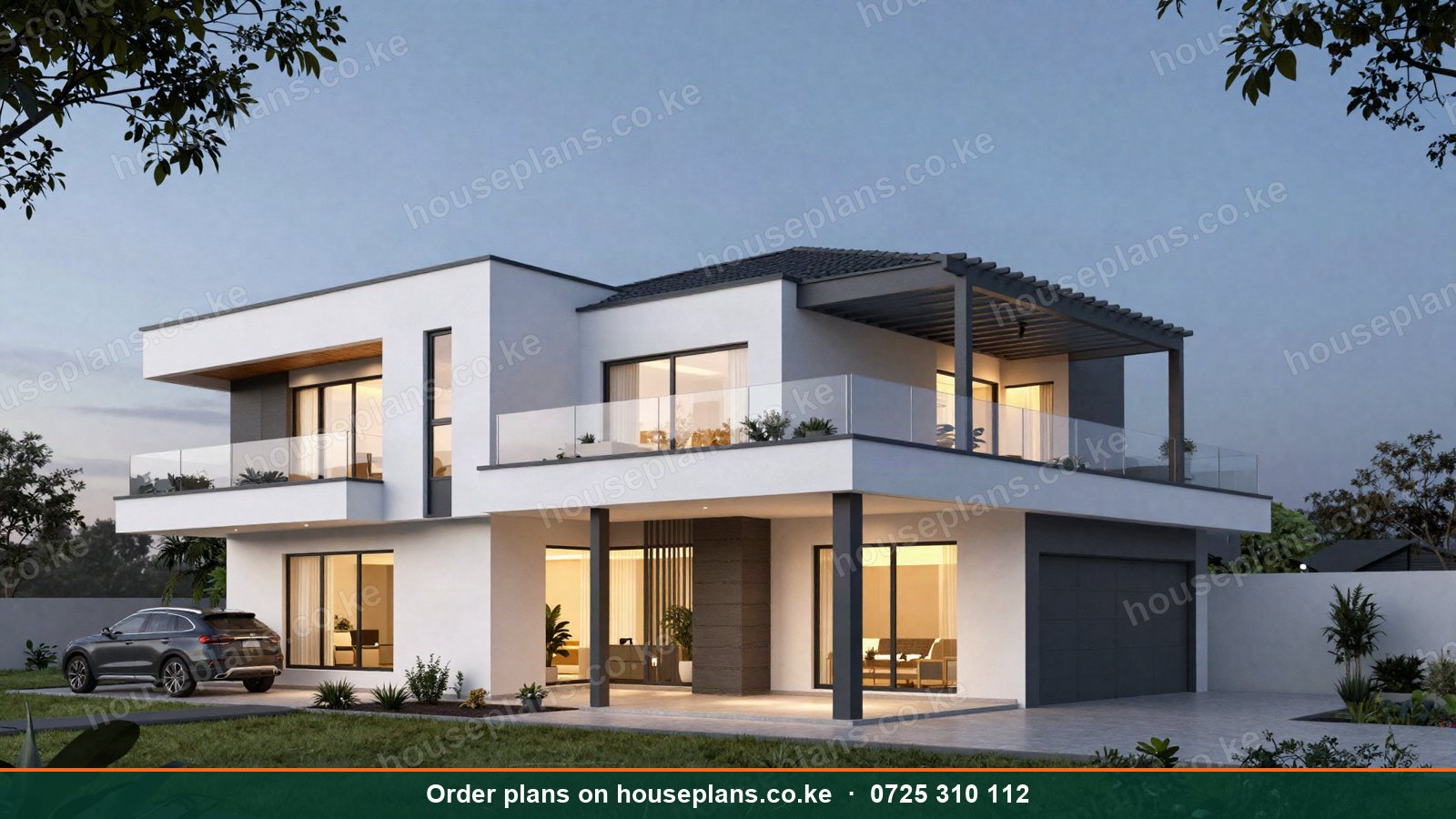
Turnkey house design and build in Kenya promises a simple journey: one team designs your home, gets approvals, builds it and hands you the keys. For busy professionals and Kenyans abroad, this sounds ideal. Moreover, a single point of responsibility can reduce finger-pointing between architects, engineers and contractors. However, turnkey packages also carry risks if contracts are vague or oversight is missing.
This guide explains how design and build and turnkey packages work in Kenya. We compare them with the traditional approach, explain fixed-price contracts, project management, material and labour schedules, payment stages and quality checks. Additionally, we show how to choose a reliable provider and protect your money.
Talk to an architect today
Call 0725 310 112 or chat with us on WhatsApp. Send your plot size, county and the number of bedrooms, and we will reply with a quote the same day.
What Is Design and Build?
In a design and build contract, one company is responsible for both designing and constructing the building. Typically, it employs or partners with architects, engineers and quantity surveyors. Consequently, the client signs one contract instead of several.
What Is a Turnkey Package?
"Turnkey" means the house is handed over ready to use. You turn the key and move in. Therefore, a turnkey package usually covers design, approvals, construction, finishes, utilities connections and sometimes landscaping, walls and gates. Some packages also include furniture and appliances.
Traditional Approach vs Design and Build
The Traditional Approach
In the traditional route, you hire an architect and engineer to design, a quantity surveyor to prepare a BQ, then tender to contractors. The design team then supervises the contractor on your behalf. As a result, you have independent professionals checking the builder.
The Design and Build Approach
In design and build, the builder controls the design. This can speed things up and reduce disputes. However, the independent checking is weaker, because the same company designs, builds and judges its own work.
Which Is Better?
Neither is always better. For simple homes with a trusted provider, design and build can work well. For complex or large projects, the traditional approach with independent supervision usually protects the client more. Alternatively, a hybrid works well: an independent architect designs and supervises, while a contractor builds to a fixed price.
Advantages of Turnkey Packages
Single Point of Responsibility
If something goes wrong, one company is accountable. Therefore, there is less blame-shifting.
Speed
Design and construction can overlap. Consequently, projects can finish sooner.
Price Certainty
A well-defined fixed-price contract gives budget certainty, which helps with financing and planning.
Convenience
For diaspora clients and busy professionals, one team managing everything saves time and stress. Read about building in Kenya from the diaspora.
Risks of Turnkey Packages
Vague Specifications
If the contract does not specify finishes, fittings and quantities, the builder may use cheaper items. Consequently, insist on detailed specifications and a BQ.
Weak Oversight
Without independent checks, poor work can be hidden. Therefore, hire an independent inspector for key stages.
Variations
Changes after signing often cost a lot. As a result, finalise design before signing the fixed price.
Financial Stability
If the company runs into financial trouble, your project stalls. Therefore, check track records and avoid paying far ahead of progress.
What a Good Turnkey Contract Includes
A clear contract protects both sides. Therefore, check that it includes:
| Item | Why it matters |
|---|---|
| Approved drawings | Defines exactly what will be built |
| Bill of quantities or specification | Defines materials, finishes and fittings |
| Fixed price and inclusions | Shows what is and is not covered |
| Payment schedule tied to milestones | Keeps payments matched to progress |
| Programme and completion date | Sets expectations and penalties |
| Variation procedure | Controls changes and their costs |
| Defects liability period | Makes the builder fix defects after handover |
| Insurance | Protects against fire, theft and accidents |
| NCA registration | Confirms the contractor is licensed |
Additionally, an advocate should review the contract before you sign.
Material Schedules and Labour Estimates
A material schedule lists every material, its quantity and specification. For example, cement bags, steel tonnage, stone or blocks, roofing sheets, tiles and fittings. Meanwhile, labour estimates show the workforce needed for each stage. Consequently, both help you check the fixed price and monitor progress. Read about structural drawings and bills of quantities.
Site Security and Material Control
Materials disappear from poorly managed sites. Therefore, turnkey contracts should make the contractor responsible for site security and material storage until handover. Additionally, delivery notes should be checked against the BQ, and expensive items such as tiles, fittings and cables should be stored in a lockable store. Consequently, theft and waste are controlled, and the fixed price stays fixed. Read about home security design in Kenya for permanent security once you move in.
Payment Stages
Payments should follow progress, not the calendar. Typically, stages include mobilisation, foundations, walling to ring beam, slab or roof structure, roofing, plastering and services, finishes and handover. Before each payment, an independent inspector should confirm that work is complete and correct. As a result, you never pay ahead of the work.
Avoid large upfront deposits, except a reasonable mobilisation payment. Moreover, keep a retention, often around 5% to 10%, until the defects period ends.
Project Management
Project management keeps time, cost and quality on track. A project manager plans the programme, coordinates trades, orders materials, holds site meetings, reports progress and manages risks. In design and build, the builder usually provides this. However, an independent project manager or architect can represent your interests. Consequently, problems surface early.
Quality Control and Inspections
Key inspections include setting out, foundation excavation, reinforcement before concrete pours, walling and ring beams, roof structure, waterproofing, plumbing pressure tests, electrical tests and finishes. Additionally, concrete cube tests confirm strength. Therefore, schedule these inspections in the contract.
Fixed-Price House Packages: What Drives the Price?
Fixed-price homes are usually quoted per square metre or as a total for a specific design. Typical 2026 construction rates are about KSh 32,000 per m² for basic finishes, KSh 45,000 for standard finishes and KSh 65,000 for premium finishes. However, turnkey packages also include design, approvals, project management and the contractor's margin. Consequently, compare the total package, not just the rate. Use our building cost calculator for a baseline.
Popular Turnkey Designs
Turnkey packages work best with well-defined designs. For example, our Baraka bungalow, Kifaru bungalow, Kilimani maisonette, Syokimau maisonette and Kitengela maisonette are clear, buildable designs that suit fixed-price contracts. Browse 3 bedroom house plans and 4 bedroom house plans.
Turnkey Projects for Investors
Investors often use design and build for rental apartments, student hostels and estates. Speed matters, because rent starts sooner. However, investors must still verify quality, because poor construction raises maintenance costs and lowers rents. Read about apartment and rental building plans and student hostel plans in Kenya.
Labour-Only vs Full Contracts
Labour-Only Contracts
In a labour-only contract, you buy materials and the contractor supplies workers. This can save money, because you avoid the contractor's markup on materials. However, you must manage ordering, deliveries, storage and theft risks. Consequently, it suits owners who live nearby and have time to supervise.
Full Contracts
In a full contract, the contractor supplies labour and materials. Therefore, you manage less. However, you must ensure the specified materials are actually used. A detailed BQ and inspections protect you.
Turnkey Contracts
Turnkey contracts go further, adding design, approvals and sometimes utilities and landscaping. As a result, they offer the most convenience but require the most trust and the clearest contract.
Understanding Variations
A variation is any change to the agreed work. For example, upgrading tiles, adding a room or moving a wall. Variations are normal, but they must be controlled. Therefore, every variation should be agreed in writing, priced before work starts and signed by both parties. Otherwise, the final bill may far exceed the fixed price. Moreover, the best way to limit variations is to finalise design, finishes and specifications before signing.
The Defects Liability Period
After handover, most contracts include a defects liability period, often six to twelve months. During this time, the contractor must fix defects such as leaks, cracks, faulty fittings or poor finishes. Consequently, a retention of part of the contract sum is held until the period ends. This gives the contractor a strong reason to return and fix problems.
Handover and Snagging
Before final payment, walk through the house with a snag list. Check every door, window, tap, switch, socket, tile, ceiling and paint finish. Additionally, test water pressure, drains, lights and the gate motor. Then, the contractor fixes the snags before handover. Finally, collect as-built drawings, warranties, manuals and keys. As a result, you move into a complete, working home.
Timelines for Turnkey Homes
A typical 3 bedroom bungalow might take about four to eight months to build after approvals, depending on size, finishes, weather and funding. Meanwhile, a 4 bedroom maisonette may take six to twelve months. Design and approvals add a few weeks to a few months beforehand. Therefore, a realistic turnkey timeline from first meeting to keys is often between six months and a year and a half.
Turnkey Packages and Financing
Banks and SACCOs can finance turnkey projects, provided they have approved plans, a BQ and a clear contract. Moreover, staged disbursements fit naturally with milestone payments. Read about mortgage and SACCO loan house plans and visit our financing page.
Common Turnkey Mistakes
Choosing on Price Alone
The cheapest quote often hides missing items or poor quality. Compare full packages.
Paying Too Much Upfront
Large advance payments remove your leverage. Pay for progress.
Skipping Independent Checks
Even good builders make mistakes. Independent inspections catch them.
Vague Finishes
"Tiles" or "fittings" without specifications invite cheap substitutes. Specify brands, grades or price ranges.
How to Choose a Turnkey Provider
Check Registration
The contractor should be registered with the National Construction Authority (NCA) in the right category. Similarly, the architects and engineers should be registered with BORAQS and EBK.
Visit Completed Projects
Visit homes the company has built. Moreover, speak to the owners about quality, timelines and after-sales service.
Review Financial Health
Ask how long the company has operated and how many projects it runs at once. Overstretched companies often delay.
Compare Like With Like
Compare quotes using the same design, specification and BQ. Otherwise, the cheapest quote may hide missing items.
Insist on Transparency
Good providers share drawings, BQs, schedules and progress photos openly.
Construction Management Explained
Construction management is a variation of the traditional approach. Instead of one main contractor, the client hires a construction manager who coordinates separate trade contractors, such as masons, roofers, plumbers and electricians. Consequently, the client may save the main contractor's margin and keep more control. However, it requires an experienced manager and more client involvement. Therefore, it suits owners with time, or projects with a trusted manager on site.
Communication During a Turnkey Build
Good communication keeps projects healthy. For example, agree a weekly update with photos and a short report. Additionally, hold site meetings at key stages, with minutes recording decisions. Similarly, keep all variation approvals in writing. As a result, there are few surprises and disputes are rare. For clients abroad, video calls from the site are invaluable.
Signs of a Good Turnkey Provider
A good provider answers questions clearly and shares documents openly. Moreover, they welcome independent inspections rather than resisting them. They give realistic timelines instead of impossible promises. Additionally, their past clients speak well of them, and their completed homes look good years later. Finally, they put everything in writing. Consequently, these signs matter more than glossy brochures.
Building Estates With Turnkey Contracts
Developers building several identical homes, such as townhouses in Kitengela or bungalows in Nakuru, benefit greatly from turnkey contracts. Repetition lowers costs and speeds construction. Moreover, a single provider can deliver consistent quality across all units. Read about townhouse and semi-detached house plans.
Our Role in Design and Build Projects
We focus on design, documentation and independent oversight. Consequently, we can serve you in several ways. First, we design your home and prepare all drawings and approvals. Next, we help you tender to NCA-registered contractors and compare fixed-price quotes. Then we inspect key stages and report before payments. As a result, you get the convenience of a fixed-price build with the protection of independent professionals.
Turnkey Building Across Kenya
Turnkey and fixed-price homes are popular in Nairobi's satellite towns, such as Kitengela, Syokimau, Ruiru, Juja and Ongata Rongai. Moreover, diaspora clients use them for homes in Kisii, Kakamega, Nyeri and Eldoret.
Turnkey Checklist Before Signing
Before signing, confirm that you have approved drawings, a detailed specification or BQ, a fixed price with clear inclusions, a payment schedule tied to milestones, a completion date and a defects liability period. Moreover, check the contractor's NCA registration and visit past projects. Finally, arrange independent inspections at key stages. As a result, your turnkey home arrives on time, on budget and built properly.
Our Services for Design and Build Projects in Kenya
Architectural Design
We design homes ready for fixed-price construction. Consequently, contractors can price accurately.
Every design includes 3D renders, a walkthrough video, interior design, MEP drawings and a landscape plan.
Structural Drawings and BQ
We prepare structural drawings and a detailed BQ, which form the basis of the contract price.
Consequently, every contractor prices the same scope, and comparisons are fair.
County Approvals
We submit plans in all 47 counties and follow up until approval. Consequently, construction can start legally and your lender can release funds.
Contractor Tendering
We help you invite, compare and select NCA-registered contractors.
As a result, you choose on value, not just the lowest number.
Contract Review Support
We review specifications and schedules, so nothing important is missing.
Your advocate then reviews the legal terms.
Stage Inspections
We inspect key stages and report with photos before you release payments.
Handover Support
We help you check finishes and snag lists before final payment.
Therefore, you receive a complete home with warranties and as-built drawings.
Talk to an architect today
Call 0725 310 112 or chat with us on WhatsApp. Send your plot size, county and the number of bedrooms, and we will reply with a quote the same day.
Build With Confidence
Call or WhatsApp 0725 310 112, or email info@houseplans.co.ke. Our office is in Nairobi, and we serve every county.
Read about the cost of house plans in Kenya and house plans by budget, or order your plan.
Frequently asked questions
What is a turnkey house in Kenya?+
It is a home delivered ready to occupy, with design, approvals, construction and finishes handled by one provider under a single contract.
Is design and build cheaper?+
Not always. It can save time and coordination costs, but the lack of independent checks can cost more if quality slips. Independent inspections reduce this risk.
How do I protect myself in a turnkey contract?+
Use approved drawings, a detailed BQ, milestone payments, independent inspections, a retention and an advocate-reviewed contract.
What should a fixed-price contract include?+
Drawings, specifications, inclusions, payment stages, completion dates, variation rules, defects liability and insurance.
Can diaspora clients use turnkey packages?+
Yes. Turnkey packages suit diaspora clients, ideally with independent stage inspections, staged payments and regular progress reports.
Related searches
- Turnkey house design and build in Kenya
- Turnkey house design build Kenya
- Turnkey house plans Kenya
- Construction house plans Kenya
- Project management house plans Kenya
- Contracts house plans Kenya
- Diaspora house plans Kenya
- Budget house plans Kenya
- 3 bedroom house plans in Kenya
- 3 bedroom house design in Kenya
- Low cost simple 3 bedroom house plans in Kenya
- House design Kenya
- House plans Kenya
- Best house designs in Kenya
- Cheap house designs in Kenya
- 2 bedroom house design in Kenya
- 2 bedroom house designs Kenya