

Student Hostel Plans in Kenya: Bedsitters, Shared Rooms and Hostels Near JKUAT, KU, Moi and Other Universities
By the HousePlans Kenya design team · 4 October 2026 · 12 min read
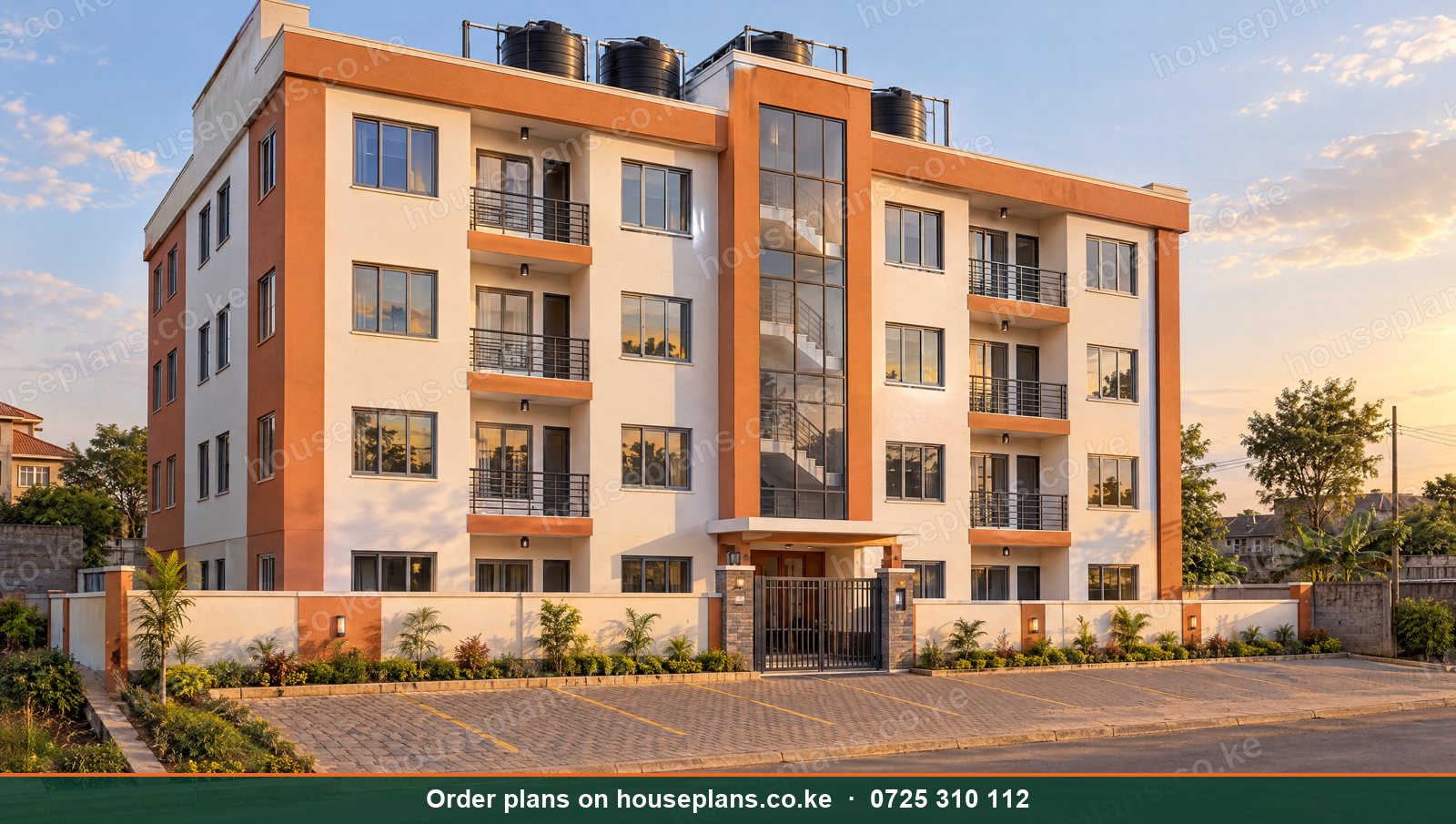
Student hostel plans in Kenya offer one of the most reliable rental investments in the country. University and college enrolment keeps growing, while on-campus housing falls far short of demand. Consequently, students fill private hostels, bedsitters and shared rooms around every major campus. Moreover, well-designed hostels near the gate of JKUAT, Kenyatta University or Moi University rarely stay empty for long.
This guide explains how to design profitable student accommodation in Kenya. We cover bedsitter blocks, single and shared rooms, purpose-built hostels, plot sizes, room sizes, amenities, security, utilities, costs and returns. Additionally, we look at the best locations near Kenya's main universities and colleges.
Talk to an architect today
Call 0725 310 112 or chat with us on WhatsApp. Send your plot size, county and the number of bedrooms, and we will reply with a quote the same day.
Why Invest in Student Accommodation?
Strong, Steady Demand
Every year, new students arrive needing housing near campus. Therefore, demand renews itself. In fact, many universities house only a fraction of their students on campus.
Small, Affordable Units
Student units are small, so construction cost per unit is low. Consequently, investors can start with a modest budget and grow over time.
High Occupancy Near Campus
Hostels within walking distance of the gate fill quickly. Moreover, students often book for the next semester before the current one ends.
Scalable Investment
Investors can start with a few rooms and add floors or blocks later, provided the structure is designed for growth.
Types of Student Accommodation
Bedsitters
A bedsitter is a single room with a bed area, a small kitchenette and a private bathroom. Students value the privacy. Consequently, bedsitters command higher rents than shared rooms.
Single Rooms With Shared Facilities
Single rooms share bathrooms and kitchens among several students. They are cheaper to build and rent. However, shared facilities need careful management and cleaning.
Shared Rooms
Twin or triple rooms suit budget-conscious students. Therefore, they earn more per square metre, but tenants change more often.
One Bedroom Units
Some senior students and postgraduates prefer one bedroom units with a separate living area. Moreover, these units also appeal to young professionals near campus.
Purpose-Built Student Accommodation
Large purpose-built hostels include study rooms, common lounges, laundries, Wi-Fi, CCTV and sometimes gyms and cafeterias. They suit larger investors and partnerships with institutions.
Hostel Design Essentials
Room Sizes
A comfortable bedsitter is about 15 to 20 m², including a shower room and kitchenette. Meanwhile, a single room with shared bathrooms may be about 9 to 12 m². Therefore, efficient layouts maximise lettable space.
Bathrooms
Private bathrooms raise rents. However, where bathrooms are shared, plan enough of them, separate by gender, with good ventilation and durable finishes.
Kitchens
Students cook simple meals. Consequently, bedsitters need a compact counter, a sink and a socket for a cooker. Shared kitchens need gas or electric points, sinks and storage.
Study Spaces
Good lighting, a desk and reliable Wi-Fi help students study. Moreover, a common study room is a strong selling point.
Laundry and Drying
Students wash clothes often. Therefore, plan laundry areas and drying spaces, ideally on the roof or a back yard.
Room Layout Ideas
The Efficient Bedsitter
A good bedsitter places the bathroom near the door, the kitchenette along one wall and the bed and desk near the window. Consequently, the room feels open and gets daylight where it matters. Built-in shelves above the desk and under the bed add storage without clutter.
The Shared Two-Bedroom Unit
Some students prefer to share a two-bedroom unit with a small common kitchen and lounge. Therefore, each student gets a private room while costs stay low. Moreover, these units also appeal to young professionals, which reduces holiday vacancies.
Double-Loaded Corridors
Placing rooms on both sides of a central corridor maximises lettable space. However, corridors need natural light and ventilation at the ends, and fire escapes at the right distances. Alternatively, open walkways along one side give every room cross-ventilation, which suits warm towns such as Machakos and Kisumu.
Accessibility in Student Housing
Some students have disabilities. Consequently, at least a few ground-floor rooms should be accessible, with level entrances, wider doors and accessible bathrooms. Moreover, accessible design is increasingly expected for institutional partnerships. Read about accessible and multigenerational house plans.
Partnering With Institutions
Some universities and colleges partner with private developers to provide accredited accommodation. Therefore, purpose-built hostels with good security, management and facilities may secure block bookings. As a result, occupancy becomes more predictable. However, institutions set standards for room sizes, sanitation, safety and management, so design to those standards from the start.
Security for Student Hostels
Parents and students care deeply about safety. Consequently, hostels need a perimeter wall, a single controlled entrance, a caretaker's room, CCTV in common areas, good lighting and secure doors. Additionally, separate wings or floors for male and female students reassure parents. Read about home security design in Kenya.
Utilities for Hostels
Water
Students use a lot of water. Therefore, plan large underground tanks, a pump, elevated or rooftop tanks and, where possible, a borehole. Read about water and power planning.
Power and Metering
Individual prepaid meters for each unit avoid disputes. Alternatively, landlords include power in rent and manage usage. Moreover, solar water heating cuts costs.
Internet
Reliable Wi-Fi is now essential. Consequently, plan data cabling and access points on every floor.
Waste and Drainage
Many rooms mean heavy drainage. Therefore, size sewers, septic tanks or biodigesters correctly. Additionally, plan a refuse area for collection.
Plot Sizes and Layouts
40×80 Plots
A 40×80 plot can hold a three- or four-storey block with about 12 to 24 single rooms or bedsitters, depending on zoning. Our Eldoret apartments show a compact 40×80 rental block.
50×100 Plots
A 50×100 plot can hold 24 to 40 units over four or five floors, where zoning allows. For example, our Githurai rentals design fits 16 bedsitters and 16 one bedroom units on a 50×100 plot. Browse 50×100 plot house plans.
Quarter Acre and Larger
Larger plots allow purpose-built hostels with courtyards, common rooms and parking. Consequently, they suit institutional partnerships.
Best Locations for Student Hostels
Juja (JKUAT and Gretsa)
Juja hosts Jomo Kenyatta University of Agriculture and Technology, while Gretsa University sits in nearby Thika. Areas near the JKUAT gate, Gachororo and Highpoint are packed with hostels. Read about house plans in Ruiru, Juja and Thika.
Kahawa Wendani and Kahawa Sukari (Kenyatta University)
Kenyatta University's thousands of students rent around Kahawa Wendani, Kahawa Sukari and Githurai. Consequently, bedsitter blocks there are in constant demand. Read about house plans in Kasarani, Roysambu and Githurai.
Machakos
Machakos University and nearby colleges drive demand around Machakos Town.
Eldoret (Moi University and Others)
Eldoret hosts Moi University's town campuses and other institutions. Moreover, the main Moi University campus at Kesses also generates demand.
Nakuru and Njoro (Egerton)
Egerton University in Njoro and colleges in Nakuru City create strong student markets.
Kisumu and Maseno
Maseno University in Maseno and colleges in Kisumu need student housing.
Other University Towns
Other strong markets include Kikuyu (University of Nairobi's Kikuyu campus), Meru, Embu, Kakamega (MMUST), Kisii, Nyeri (DeKUT) and Karatina. Read about house plans in Kisumu and Western Kenya.
Common Areas That Attract Students
Study Rooms
A quiet, well-lit study room with desks, sockets and Wi-Fi is a powerful selling point, especially during exams. Consequently, many successful hostels convert one ground-floor unit into a shared study space.
Common Lounges
A lounge with a TV and seating gives students somewhere to relax outside their small rooms. Moreover, it builds community, which reduces turnover.
Rooftop Spaces
Flat roofs can hold drying lines, water tanks and a shaded seating area. As a result, the roof becomes useful space rather than wasted area.
Shops and Services
Ground-floor shops, such as a kiosk, laundry service, cyber café or salon, earn extra income and serve residents. However, check zoning before adding commercial units. Read about mixed-use building plans in Kenya.
Managing a Student Hostel
Good design makes management easier. For example, a caretaker's room by the entrance allows control of visitors. Similarly, prepaid meters avoid billing disputes. Meanwhile, durable fittings reduce repair calls. Additionally, clear house rules, regular cleaning of common areas and fast responses to repairs keep students happy and renewing their leases.
Many owners use agents or management companies. Consequently, they free their time but pay a share of rent. Alternatively, a resident caretaker with digital rent collection through M-Pesa works well for smaller blocks.
Building in Phases
Many investors build hostels in phases. For instance, they build two floors first, start earning, then add floors later. However, the foundations and columns must be designed for the final height from the start. Moreover, the full design should be approved upfront. Therefore, tell the engineer your long-term plan. As a result, future floors are safe and approvable.
Student Hostels vs Ordinary Rentals
Student hostels and ordinary rental apartments differ. For example, students prefer small, cheap, private rooms close to campus, while families prefer larger units with parking and play areas. Similarly, student demand follows the academic calendar, while family demand is steadier. Therefore, choose the product that matches your location. In some areas, such as Juja and Kahawa, a mix of bedsitters for students and one bedroom units for young workers spreads the risk. Read about multi-storey apartment building plans.
Common Mistakes in Hostel Projects
Building Too Far From Campus
Students want short walks. Hostels far from the gate struggle unless rents are low.
Rooms Too Small
Tiny rooms without a desk or storage lose tenants to better competitors. Plan sensible sizes.
Weak Water Supply
Water shortages cause students to move out. Plan generous storage.
Poor Security
A single theft or incident can empty a hostel. Invest in security from the start.
Ignoring Approvals
Unapproved blocks risk closure, especially after inspections. Build legally.
Costs of Building a Student Hostel
Construction costs for hostels are similar to apartments. Typical 2026 rates are about KSh 32,000 per m² for basic finishes and KSh 45,000 per m² for standard finishes. Therefore, a bedsitter of 18 m² plus a share of corridors and stairs costs roughly KSh 700,000 to 1.1M to build. Meanwhile, a 24-unit block may cost roughly KSh 17M to 26M, depending on finishes, floors and site.
| Item | Approximate guide |
|---|---|
| Bedsitter unit (incl. share of common areas) | KSh 700,000 – 1.1M |
| Single room with shared facilities | KSh 450,000 – 750,000 |
| 24-unit, 4 storey block | KSh 17M – 26M |
| Architectural drawings | KSh 30,000 – 76,500 |
These are guides only. A BQ gives exact figures. Use our building cost calculator for estimates.
Estimating Returns
Returns depend on rent, occupancy and costs. For example, a bedsitter near a busy campus might rent for KSh 5,000 to 12,000 per month, depending on location and quality. Meanwhile, rooms may stand empty during long holidays unless leases cover them. Therefore, model income conservatively, assuming some vacancy. Additionally, budget for caretaker wages, cleaning, repairs, water and power.
Financing a Student Hostel
Investors fund hostels in several ways. For example, many use savings to buy land and build the first floor, then use rental income to add floors. Others take construction loans from banks or development loans from SACCOs. Lenders usually require approved plans, a BQ and a realistic income projection. Consequently, a professional design package strengthens your application. Read about mortgage and SACCO loan house plans and visit our financing page.
Diaspora investors also favour student hostels, because demand is steady and management can be outsourced. Read about building in Kenya from the diaspora.
Approvals for Student Hostels
Hostels need county approval like any building. Moreover, multi-storey blocks need structural design, fire escape provisions and adequate sanitation. Larger hostels may need NEMA approval. Additionally, some universities accredit off-campus hostels, which can boost occupancy. Read about building plan approval costs by county.
Designing for Durability
Students are not always gentle with buildings. Consequently, choose durable finishes: porcelain or terrazzo floors, solid doors, quality hinges, robust plumbing fittings and washable paint. Moreover, simple layouts and standard fittings make repairs quick and cheap. As a result, maintenance costs stay low.
Hostel Investment Checklist
Before buying land, walk from the plot to the campus gate and time it. Next, count competing hostels and note their rents and occupancy. Then confirm zoning, water supply and road access. After that, choose your unit mix and design for security, water and Wi-Fi. Finally, budget for management and maintenance. Consequently, your hostel fills quickly and stays full.
Our Services for Student Hostel Plans in Kenya
Hostel Architectural Design
We design bedsitter blocks, shared-room hostels and purpose-built student accommodation. Consequently, every square metre earns rent.
Our architect checks zoning, access and the competition near campus first, so your hostel stands out from day one.
Unit Mix Planning
We help you choose the right mix of bedsitters, single rooms and one bedroom units for your market.
Consequently, your hostel matches what students near your campus actually want.
Structural Engineering
Our engineers design multi-storey frames and foundations, with provision for future floors.
Therefore, you can grow the hostel in phases safely.
MEP and Utilities
Free MEP drawings plan water storage, metering, Wi-Fi and drainage.
As a result, running costs stay low and students stay happy.
Fire Safety and Security
We design escape routes, fire equipment, controlled entrances and CCTV.
Parents feel confident, and your hostel meets fire department requirements.
Bill of Quantities
A BQ shows costs per unit, helping you calculate returns and secure loans.
Banks and SACCOs often require it before lending.
County Approvals
We submit plans in all 47 counties and follow up until approval, including Kiambu, Machakos, Uasin Gishu and Nakuru.
Talk to an architect today
Call 0725 310 112 or chat with us on WhatsApp. Send your plot size, county and the number of bedrooms, and we will reply with a quote the same day.
Start Your Student Hostel Project
Call or WhatsApp 0725 310 112, or email info@houseplans.co.ke. Our office is in Nairobi, and we serve every county, from Kiambu and Machakos to Uasin Gishu, Nakuru and Kisumu.
Read about apartment and rental building plans, browse apartment plans, or order your plan.
Frequently asked questions
How many hostel rooms fit on a 50×100 plot?+
Typically 24 to 40 units over four or five floors, depending on zoning, room sizes and parking rules. Smaller rooms with shared facilities fit more.
How much does it cost to build a bedsitter in Kenya?+
Roughly KSh 700,000 to 1.1M per bedsitter in 2026, including a share of corridors and stairs. Finishes and location change the figure.
Where are the best student hostel locations?+
Near the gates of JKUAT in Juja, Kenyatta University in Kahawa, Moi University in Eldoret, Egerton in Njoro and Maseno.
Do student hostels need county approval?+
Yes. They need approved architectural and structural drawings, fire provisions and adequate sanitation. Larger hostels may also need NEMA approval.
Are bedsitters better than shared rooms?+
Bedsitters earn higher rent and attract tenants who stay longer, while shared rooms earn more per square metre but need more management.
Related searches
- Student hostel plans in Kenya
- Student hostel design plans Kenya
- Student hostel architectural plans Kenya
- Kenyatta university student hostel plans Kenya
- Hostel house plans Kenya
- Rental house plans Kenya
- Investment house plans Kenya
- Apartment house plans Kenya
- Bedsitter house plans Kenya
- Students house plans Kenya
- 3 bedroom house plans in Kenya
- 3 bedroom house design in Kenya
- Low cost simple 3 bedroom house plans in Kenya
- House design Kenya
- House plans Kenya
- Best house designs in Kenya
- Cheap house designs in Kenya