How much does a water purification machine cost in Kenya?
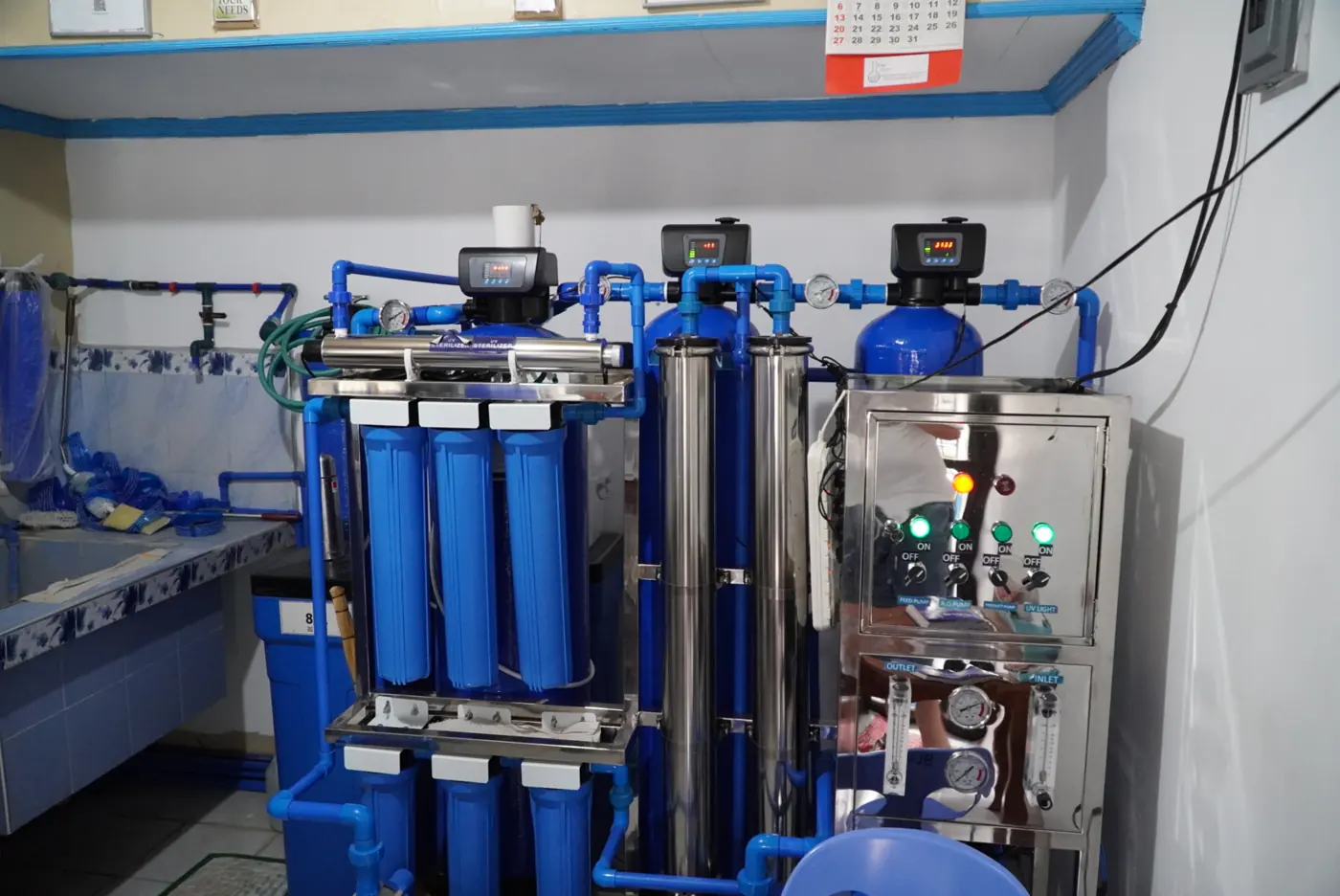
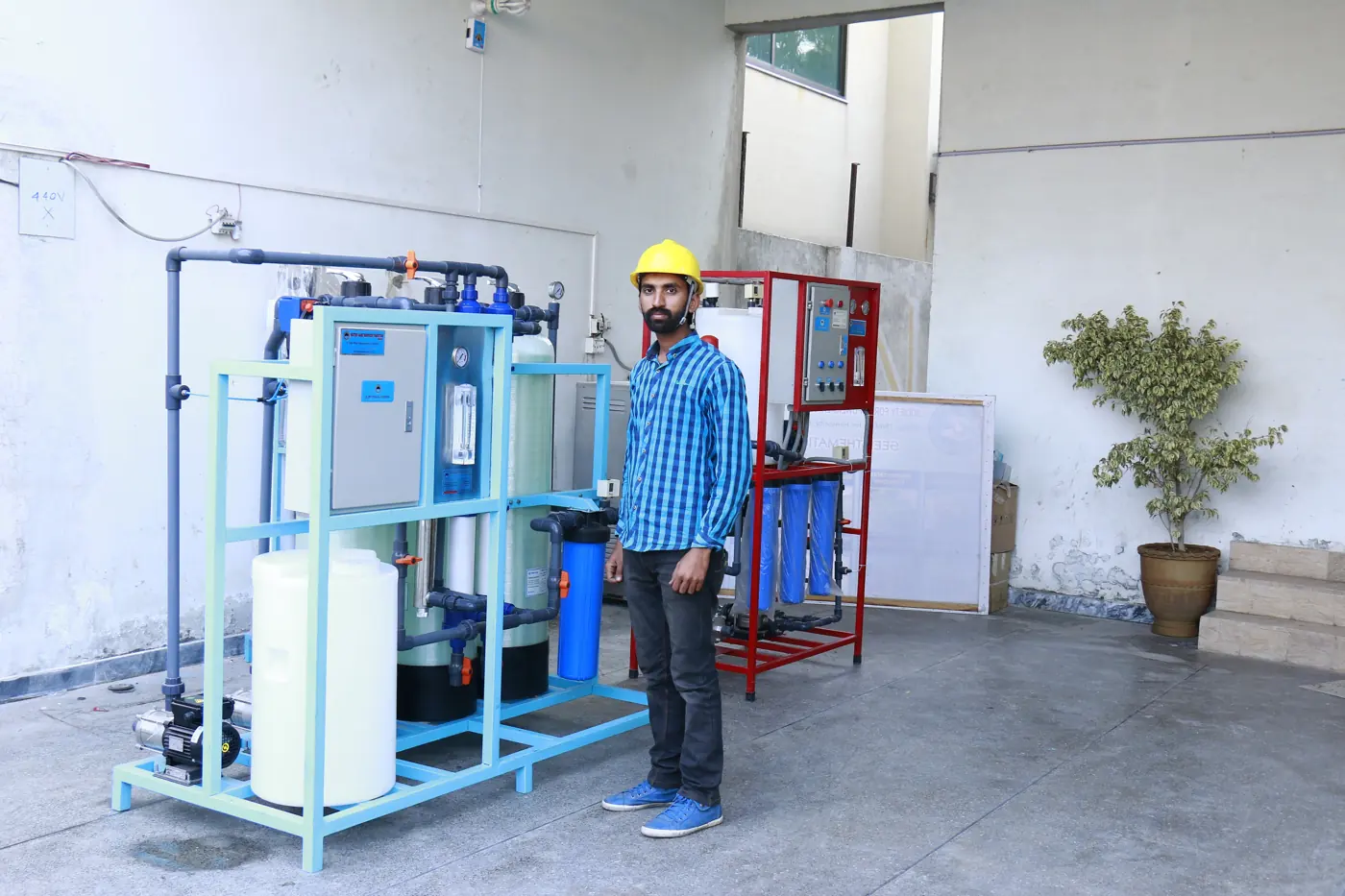
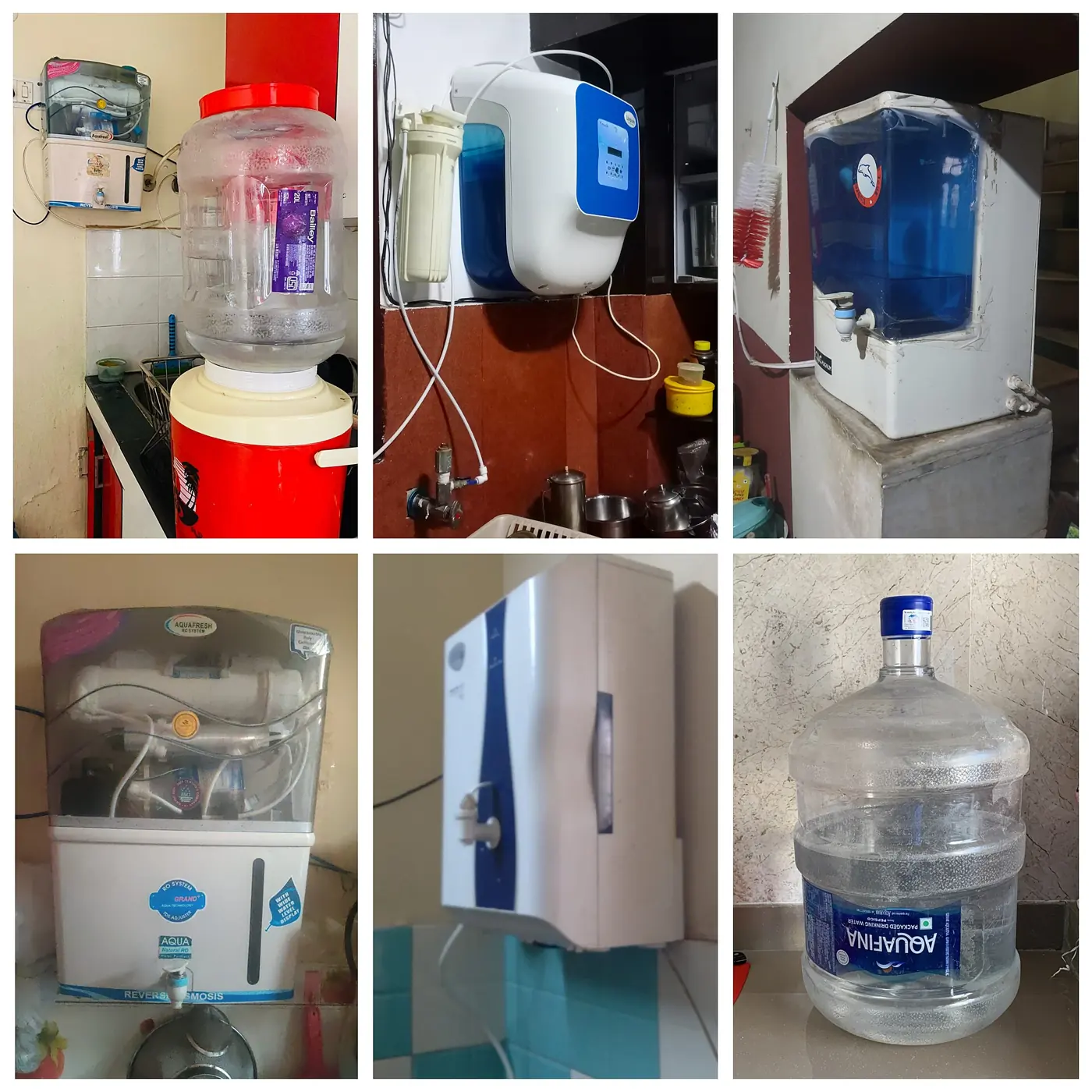
A home RO water purifier in Kenya costs between KSh 15,000 and KSh 35,000 depending on the number of stages and whether it has UV and a mineral cartridge. Commercial reverse osmosis machines start at about KSh 250,000 for a 250 litres-per-hour plant and go above KSh 1 million for 2,000 LPH plants that treat salty borehole water.
The biggest cost drivers are the plant capacity, the quality of the feed water (borehole water at the coast or in Kajiado, Machakos and Makueni often needs a softener and more membranes) and the sterilisation you add after RO: UV, ozone or both.
Starting a water refill business in Kenya
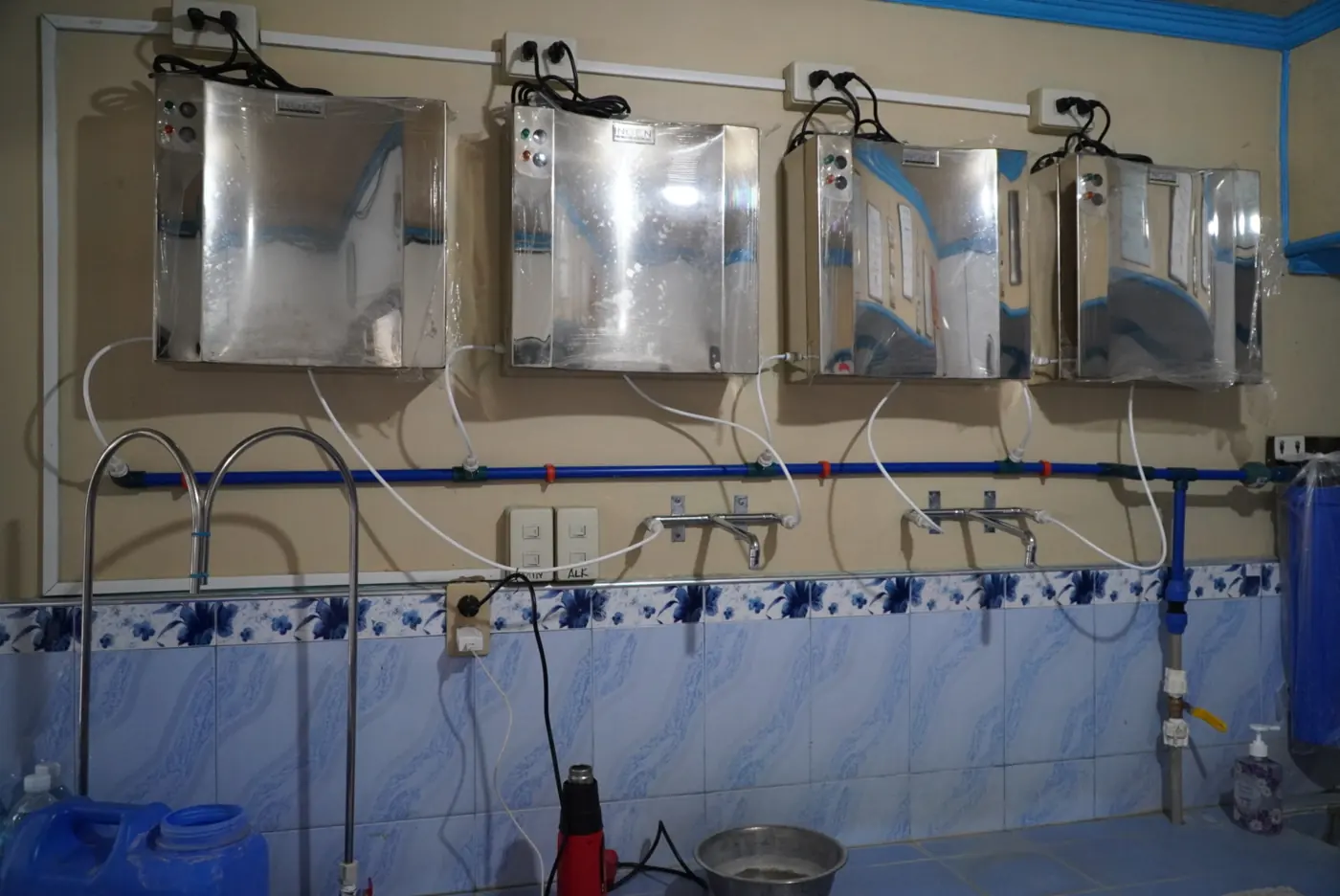
A water refill shop is one of the most popular small businesses in Nairobi, Kiambu, Nakuru, Mombasa and Kisumu. Most owners start with a 500 LPH plant, storage tanks, a refill counter and a bottle sealing machine. A complete setup with our package costs from KSh 750,000, before rent and branding.
Before opening you need the business permit from your county, a public health licence and water quality certification. We guide you through the paperwork, test the water and train your staff on daily operation, cleaning and filter changes.
Dialysis water treatment for hospitals in Kenya
Each haemodialysis session exposes a patient to over 100 litres of water through the dialyser membrane, so dialysis water must be far purer than drinking water. A dialysis water treatment plant uses pre-treatment (multimedia filtration, softening and carbon to remove chlorine and chloramines), double-pass reverse osmosis, and a disinfected distribution loop that delivers water to each machine.
We supply and install dialysis RO systems for hospitals, renal units and dialysis centres in Nairobi, Mombasa, Kisumu, Nakuru, Eldoret and other counties, designed to the ISO 23500 / AAMI water quality standards. Every system is commissioned with a lab water test, and we offer service contracts covering filter and membrane changes, disinfection and routine bacteria and endotoxin testing.
RO vs UV vs ordinary filters
Ordinary carbon and sediment filters improve taste and remove dirt but don't remove dissolved salts or fluoride. UV kills bacteria and viruses but doesn't remove salts either. Reverse osmosis removes up to 95–99% of dissolved solids, including fluoride, which is common in borehole water in the Rift Valley. The safest setup for most Kenyan homes is RO followed by UV.
Building a new home? Get your house plan and water purification from one team, and estimate the full budget with our building cost calculator.